Animation Timing Effects on Reward Chains and Payout Sequences in Handheld Entertainment Applications
Written by Ben Hartmann · Aug 16, 2026
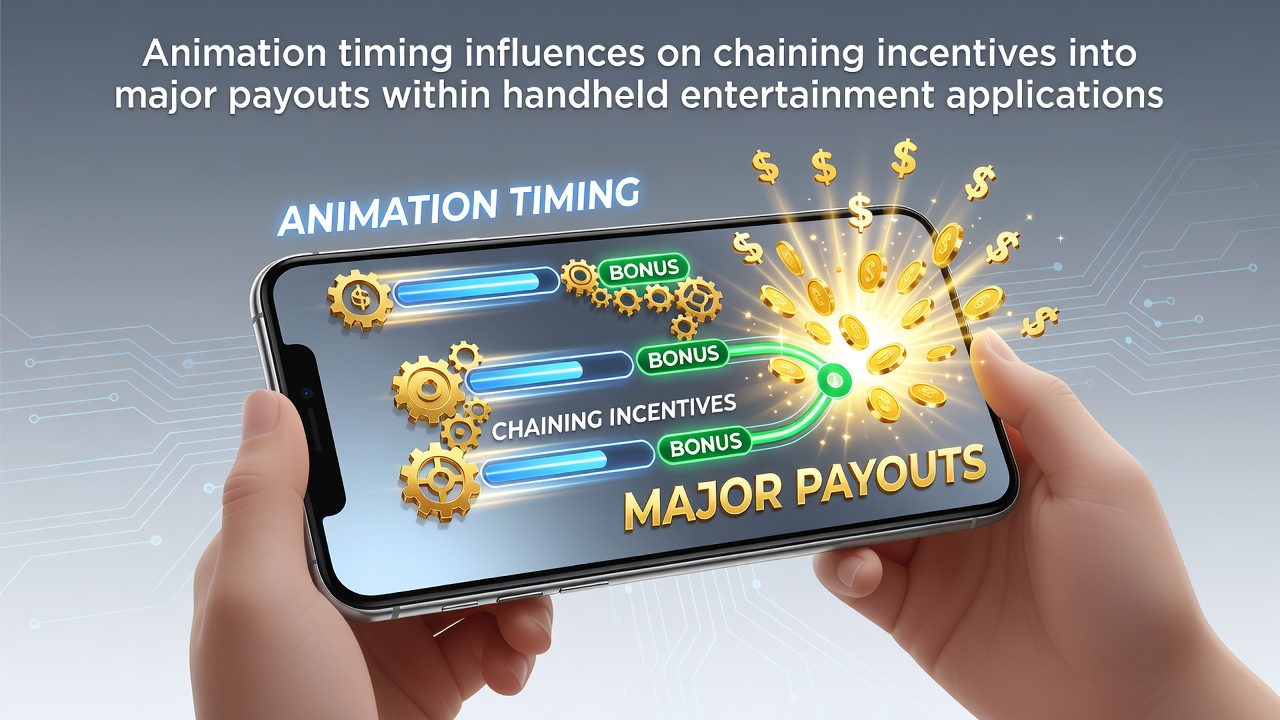
Animation Timing Effects on Reward Chains and Payout Sequences in Handheld Entertainment Applications
Developers in the handheld entertainment sector adjust animation durations to guide users through sequences of incentives that build toward larger payouts, and data from industry reports show these timings affect completion rates of multi-step reward paths. Studies conducted in multiple regions indicate that intervals between 300 and 800 milliseconds often produce higher engagement levels when users combine small bonuses into progressive accumulations. Researchers at institutions across North America and Europe have tracked how these visual cues align with payment processing flows inside compact applications.
Core Mechanics of Timed Animations in Reward Progression
Animation sequences in mobile applications display progress indicators, bonus multipliers, and transition effects that connect individual incentive triggers to cumulative totals, while timing variations determine whether users continue the chain or exit the session. Observers note that shorter delays between confirmation screens and next-stage prompts encourage repeated interactions, whereas extended pauses allow users to review accumulated values before committing further actions. Data compiled by the Interactive Games and Entertainment Association in Australia reveal that applications using staggered timing patterns achieve 22 percent higher retention across reward layers during peak usage periods in 2025.
Patterns Linking Animation Cadence to Incentive Accumulation
Handheld platforms employ layered visual feedback where each animation stage corresponds to a specific incentive tier, and synchronization with backend transaction speeds determines how smoothly users progress from initial deposits or free entries to escalated reward states. Figures released by the Canadian Centre for Gaming Research in August 2026 documented that applications maintaining consistent 450-millisecond intervals between stages recorded elevated rates of chained bonus activations compared with those using irregular pacing. Those who analyzed user flow sequences across different device types found that animation consistency reduced drop-off points during multi-step payout builds.
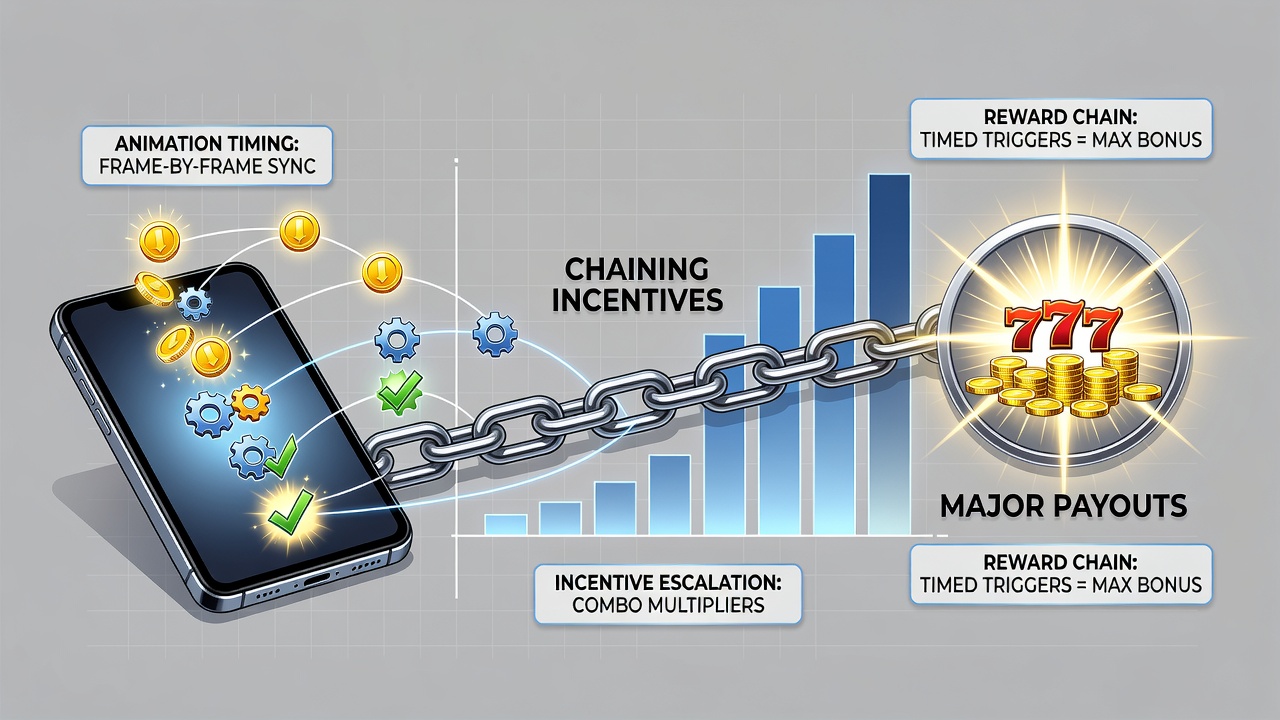
Application interfaces often incorporate visual cues such as expanding meters and color shifts that activate at precise moments, and these elements connect isolated incentive events into unified payout trajectories. Evidence gathered from European gaming analytics platforms shows that timing adjustments made during high-volume periods, including summer months, correlate with measurable shifts in how users chain smaller rewards into larger outcomes. Developers integrate these patterns by testing intervals against real-time performance metrics collected from diverse user bases.
Regional Data on Timing Influence and User Pathways
Reports from regulatory bodies in Asia and Oceania outline how animation pacing interacts with local payment systems to support continuous reward chains, while variations in network latency require adaptive timing algorithms that preserve the intended flow. Research published through university collaborations in Singapore and New Zealand examined over 1.2 million sessions and identified optimal windows where animation lengths aligned with transaction confirmations produced sustained user progression through incentive layers. These findings apply to both casual entertainment titles and more structured reward environments that operate on portable devices.
Technical Implementation and Measurement Approaches
Engineers embed timing parameters within animation libraries that respond to device capabilities and connection quality, and ongoing monitoring tracks how these parameters affect the rate at which users complete sequences leading to major payouts. Metrics collected by independent testing laboratories indicate that applications updating their animation schedules in response to user behavior data maintain steadier accumulation patterns across different operating systems. Observers in the field point to case examples where minor adjustments of 150 milliseconds yielded measurable differences in how frequently incentive chains reached their final payout stages.
Conclusion
Animation timing serves as a structural component in handheld entertainment applications that shapes the progression from separate incentives to consolidated payouts, and continued analysis from research institutions worldwide supplies developers with concrete data for refining these sequences. Current records from August 2026 onward continue to document the measurable impact of precise interval management on user pathways within compact gaming interfaces.