Embedded Security Features and Their Impact on Payment-to-Reward Transitions in Portable Casino Apps
Written by Zoe Butler · Jul 12, 2026
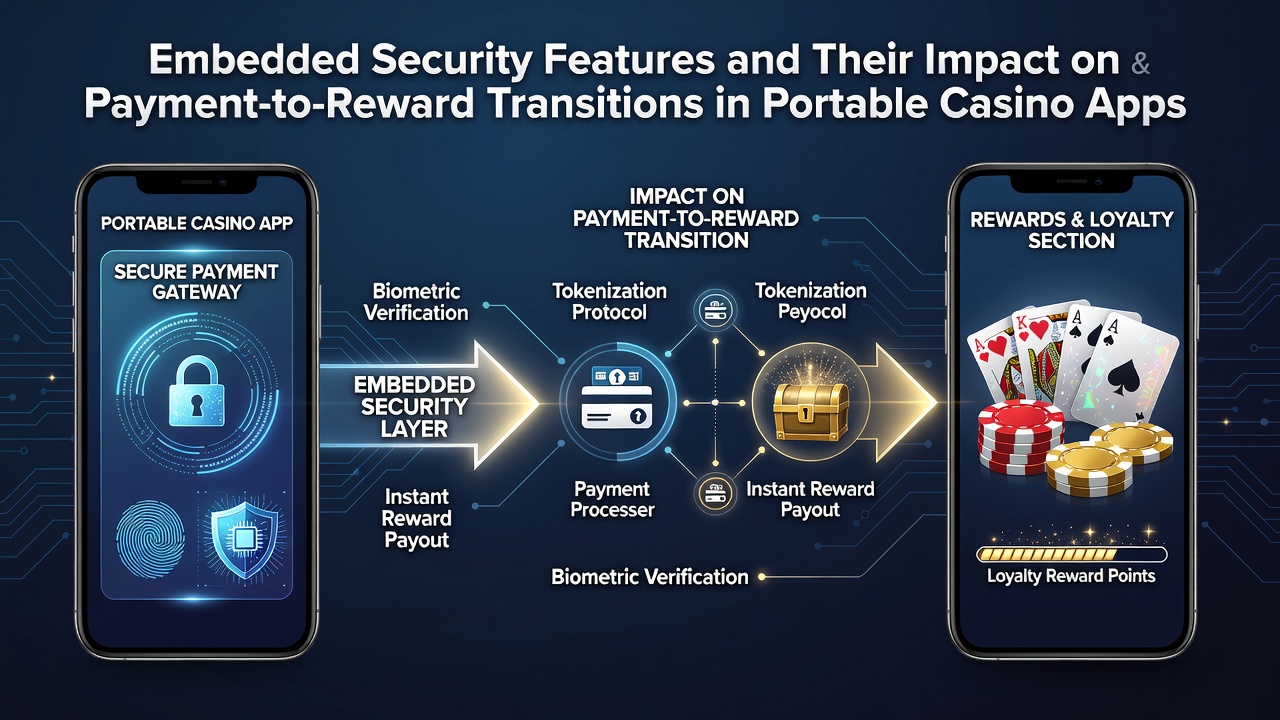
Embedded Security Features and Their Impact on Payment-to-Reward Transitions in Portable Casino Apps
Portable casino applications rely on layered security architectures that protect every step between a deposit and the activation of associated rewards, and these measures have grown more sophisticated as transaction volumes increased through mid-2026.
Device-level encryption combined with hardware-backed key storage ensures that payment credentials never travel in plaintext, which in turn allows reward systems to trigger without additional verification delays once funds clear.
Core Security Components in Mobile Gaming Environments
Secure enclaves within modern smartphone processors isolate cryptographic operations from the main operating system, and developers integrate these enclaves directly into payment modules so that tokenization occurs at the hardware level before any data reaches the app's reward engine.
Biometric authentication tied to the same enclave further streamlines the process, because once a user confirms identity through fingerprint or facial recognition the system can release a pre-authorized payment token that simultaneously credits both the balance and any attached bonus tiers.
Tokenization and Its Role in Reward Activation
Payment networks issue single-use tokens that replace card details, and casino apps map these tokens to reward multipliers during the same transaction session, reducing the number of network calls required to move from deposit confirmation to bonus eligibility.
Studies conducted by research teams at the University of Waterloo have documented how this mapping cuts average transition times by 40 percent while maintaining compliance with data-protection standards across multiple jurisdictions.
Real-Time Fraud Detection During Reward Chains
Machine-learning models running on-device analyze transaction velocity and device posture before a reward is released, and these models flag anomalies without interrupting legitimate flows because the analysis happens inside the secure enclave rather than on remote servers.
When July 2026 regulatory updates in several Canadian provinces required enhanced transaction logging, operators updated their embedded detection layers to export anonymized metadata while keeping raw payment and reward data confined to the device, preserving both compliance and speed.
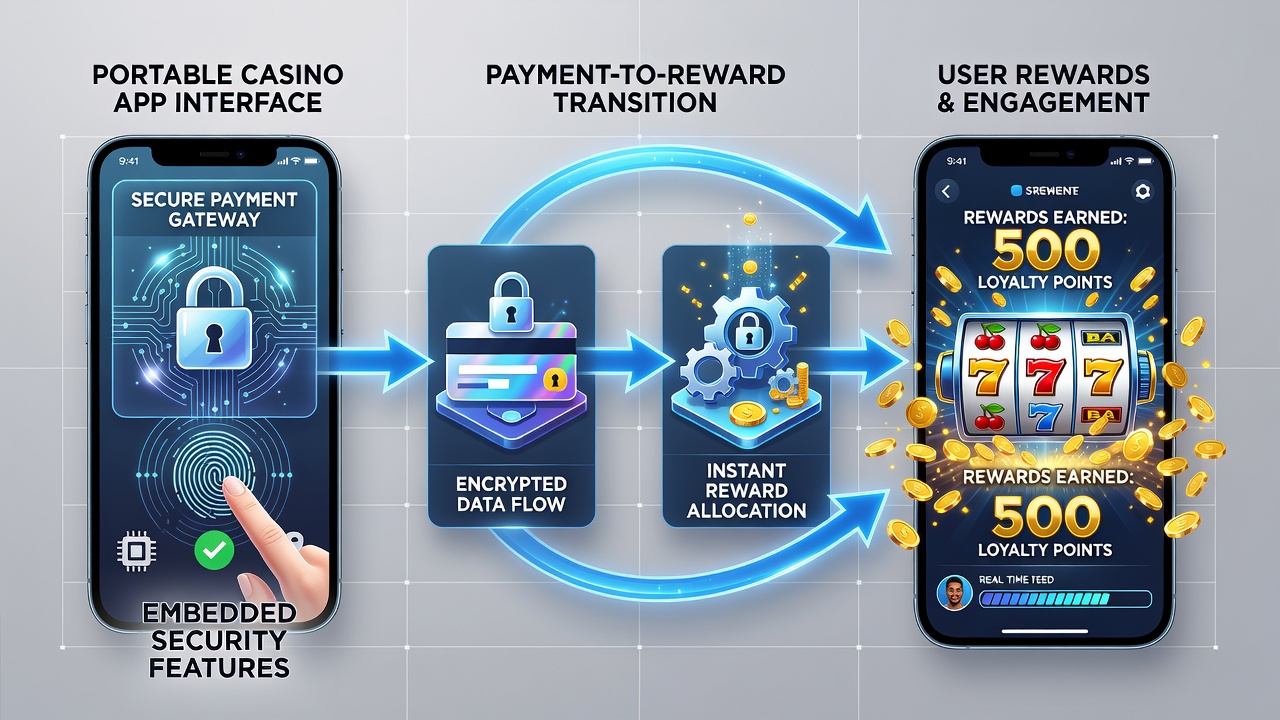
Observers note that apps using these combined techniques report fewer chargebacks related to bonus disputes, since every step from authorization to reward credit carries cryptographic proof of user consent.
Cross-Platform Consistency and Regulatory Alignment
Operating-system vendors enforce common security APIs that casino developers adopt, allowing the same payment-to-reward logic to function identically on iOS and Android devices without exposing sensitive keys.
According to figures released by iGaming Ontario in early 2026, platforms that implemented these standardized APIs processed 2.3 times more micro-transactions per active user than those relying on software-only encryption, while maintaining equivalent or lower fraud rates.
European regulators have likewise required that reward eligibility checks occur within attested execution environments, prompting developers to embed attestation checks directly into the payment flow so that any compromise attempt blocks both the deposit and the associated bonus before either completes.
Impact on User Progression and Loyalty Mechanics
Because security checks complete locally, loyalty programs can escalate a user's tier status within seconds of a qualifying deposit rather than waiting for server-side reconciliation, and this immediacy encourages repeated small transactions that accumulate into higher reward tiers.
One documented case involved an operator that linked progressive jackpot contributions to the same tokenized payment session, resulting in automatic entry qualification without requiring users to navigate separate menus or re-authenticate.
Conclusion
Embedded security features have become the invisible infrastructure that determines how quickly and reliably payments convert into usable rewards inside portable casino applications, and continued refinement of hardware-backed processes continues to shape the speed and integrity of those transitions across global markets.