Exploring Links Between Funding Options and Tiered Access Levels in Device-Based Casino Platforms
Written by Petra Bennett · Jun 25, 2026
Exploring Links Between Funding Options and Tiered Access Levels in Device-Based Casino Platforms
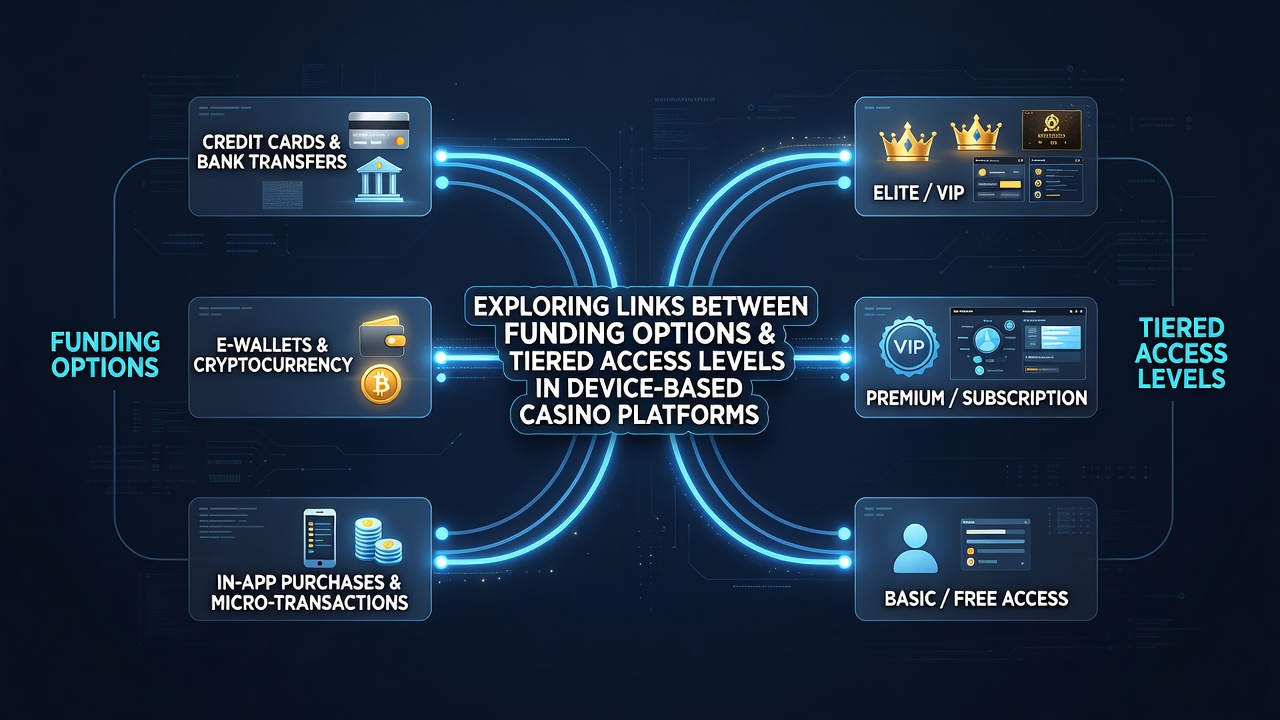
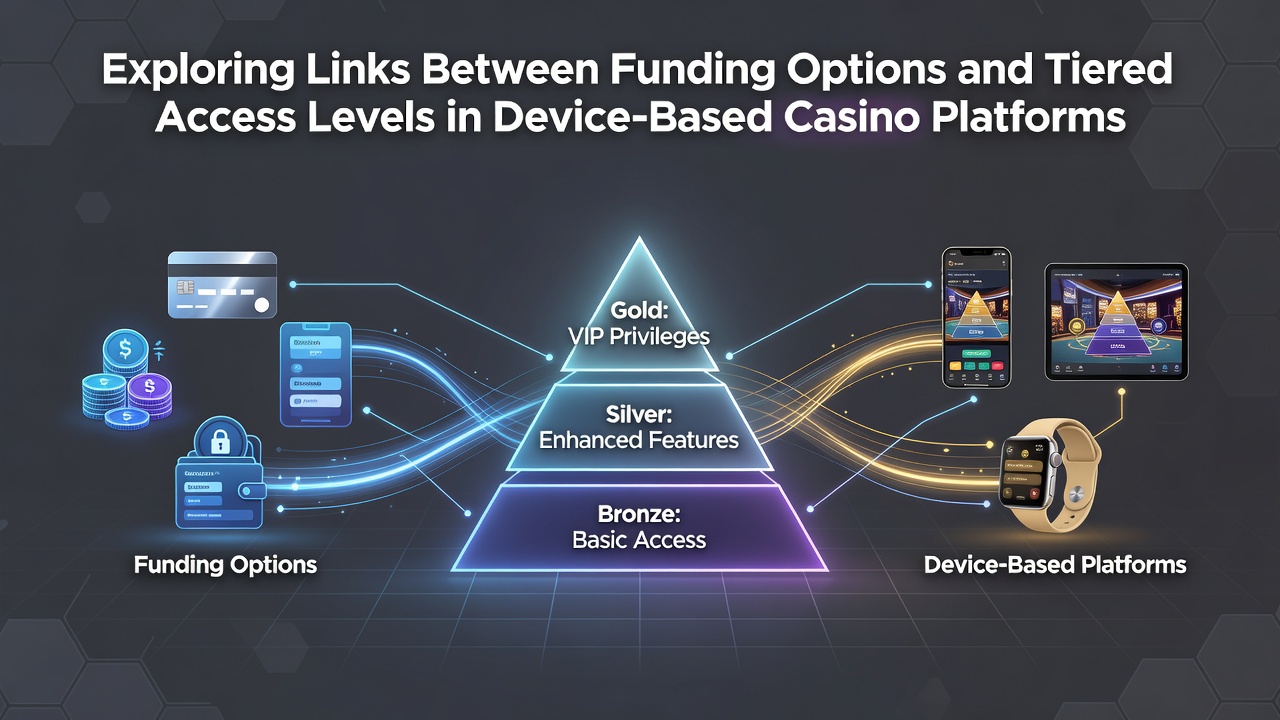
Device-based casino platforms connect funding methods directly to tiered access systems where deposit volume, speed, and type determine progression through reward levels, and data from multiple markets indicates clear patterns in how these elements interact. Operators design these structures so that payment choices accelerate or delay entry into higher tiers that unlock exclusive games, larger bonuses, and faster withdrawal limits.
Payment processing speeds vary across options such as credit cards, e-wallets, bank transfers, and digital currencies, and platforms track cumulative deposits over set periods to assign tier status. Research from industry analysts shows that users who rely on instant methods reach premium tiers faster than those using slower bank routes because the systems register activity in real time rather than after multi-day clearances.
Payment Methods and Tier Progression Patterns
Observers note that e-wallet transactions often carry lower fees and immediate confirmation, which allows users to chain deposits without interruption while credit card deposits sometimes trigger additional verification steps that pause activity. Digital currency options provide another layer because their transaction logs feed directly into automated tracking algorithms used by many platforms. Studies conducted across North American and European markets reveal that platforms using instant settlement methods record higher rates of tier advancement within the first thirty days of account activity compared with traditional methods.
Tier systems typically operate on rolling windows that measure total funded amounts alongside frequency, and certain payment providers integrate more seamlessly with these tracking tools. Data collected in early 2026 indicates platforms that support multiple instant options experience 18 to 25 percent higher tier migration rates among active users than those limited to slower channels.
Regional Regulatory Influences on Funding and Access
Regulatory frameworks in different jurisdictions shape which funding methods operators can pair with tier systems. In June 2026, several Canadian provinces updated licensing conditions that require clearer disclosure of how deposit types affect reward eligibility, and similar rules have appeared in Australian state guidelines. These requirements force platforms to display transparent mapping between payment choices and tier benefits so users understand the connection before committing funds.
According to reports from the American Gaming Association, North American mobile platforms have adjusted their structures to comply with these transparency rules while maintaining the link between funding speed and access elevation. Platforms operating under these updated rules must log each payment type against tier thresholds and make that information available through account dashboards.
Data Correlations Between Deposits and Tier Elevation
Quantitative analyses of user behavior demonstrate measurable links between average deposit size per transaction and the time required to reach successive tiers. One study released by a European research consortium found that users averaging deposits above a certain threshold using e-wallets advanced two tiers faster on average than users making smaller, more frequent bank transfers. The same analysis noted that cryptocurrency deposits correlated with quicker access to top-tier privileges because of reduced processing friction.
Platform operators collect this information through internal metrics that feed into loyalty algorithms, and aggregated findings appear in industry reports. Those metrics also track failed transactions and declined payments because repeated declines can reset or delay tier calculations on some systems. Evidence collected from multiple device-based platforms shows that users who combine two or more instant payment types maintain steadier progression curves than single-method users.
Platform Implementation Examples
Take one operator group that adjusted its mobile application in 2025 to prioritize e-wallet integration after internal data revealed faster tier movement among those users. The change produced measurable shifts in tier distribution across its user base within six months. Another platform introduced a tier calculator within its app that displays projected advancement based on selected payment method and deposit frequency, and adoption of this tool increased among users who actively monitor their status.
These implementations reflect broader trends where operators align payment infrastructure with tier logic to encourage consistent funding patterns. Figures from market tracking services indicate that platforms offering seamless multi-method support retain higher percentages of users who reach mid-tier status compared with those offering fewer options.
Conclusion
Links between funding options and tiered access in device-based casino platforms rest on measurable operational data that connects payment speed, volume, and type to progression outcomes. Regulatory developments through mid-2026 continue to emphasize transparency around these connections while platforms refine their systems to balance user experience with compliance requirements. Continued collection of transaction and tier data will shape how these structures evolve across different markets.