Exploring Time-Based Triggers That Connect Transfer Methods to Status Elevations Within Portable Gaming Frameworks
Written by Ben Hartmann · Jul 23, 2026
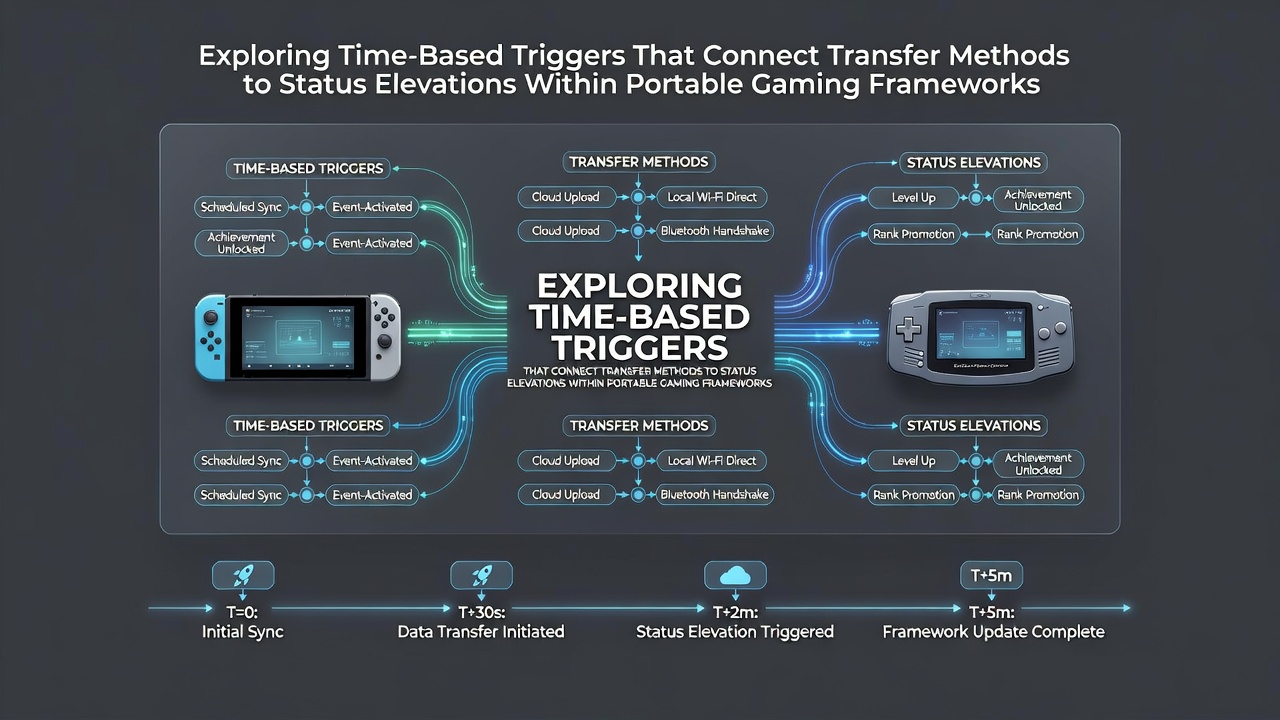
Exploring Time-Based Triggers That Connect Transfer Methods to Status Elevations Within Portable Gaming Frameworks
Portable gaming frameworks incorporate time-based triggers that link specific transfer methods to user status elevations through structured sequences in mobile applications. These mechanisms operate by monitoring deposit timing, frequency, and method type to activate privilege escalations within set windows. Data from industry tracking shows that applications register transfers completed within 24-hour cycles as qualifying events for tier advancement in many systems.
Core Mechanics of Timed Transfer Integration
Developers program frameworks to detect when users complete transfers via methods such as digital wallets or card processors during designated intervals. A transfer processed between 8 PM and midnight, for instance, often feeds into algorithms that calculate cumulative activity for status points. Observers note that these triggers reset daily or weekly depending on the platform architecture, allowing repeated elevations when patterns align with the rules.
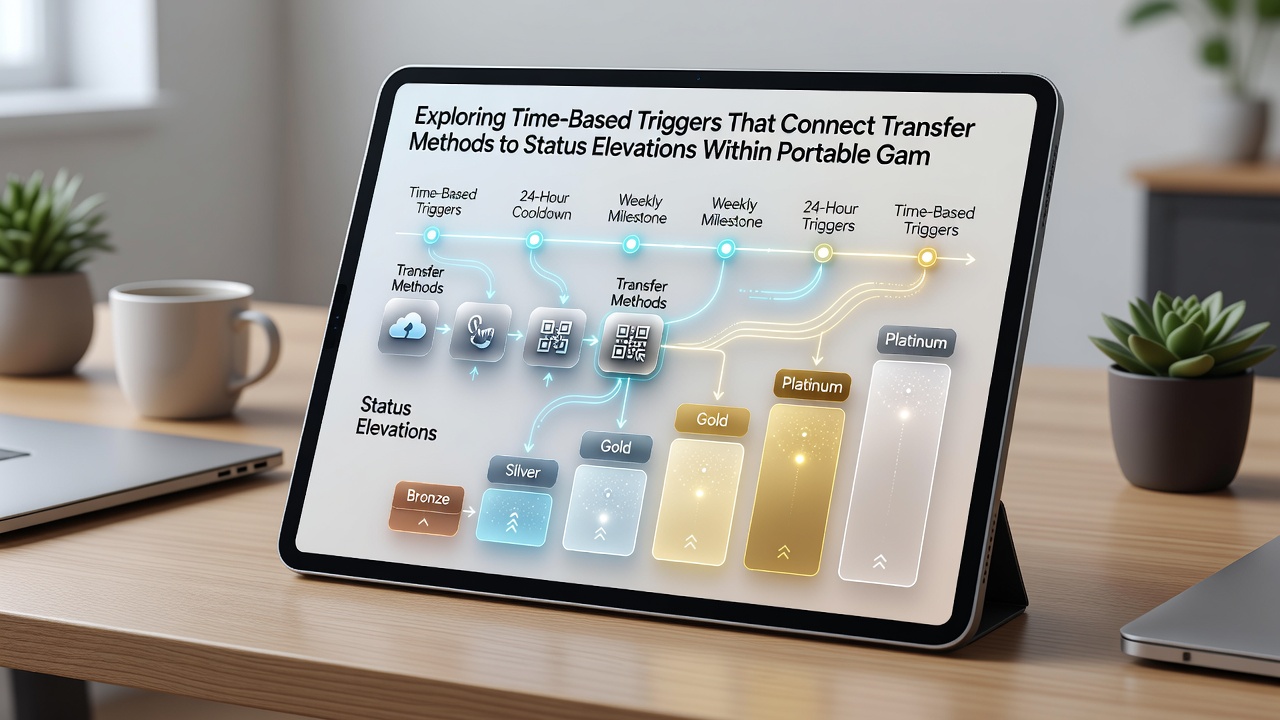
Status elevation occurs when accumulated transfers meet thresholds within the active period, such as three qualifying deposits in a seven-day span. Researchers at academic institutions have documented how certain frameworks apply multipliers to points earned from evening transfers compared to daytime ones. This creates layered pathways where method selection and clock alignment determine progression speed across tiers.
Transfer Method Variations and Temporal Windows
Different transfer options interact with time parameters in distinct ways across handheld platforms. Instant bank transfers frequently carry shorter activation delays than card-based options, enabling users to hit time-sensitive markers more reliably. Figures from platform analytics reveal that wallet-based methods account for higher rates of status elevation when executed during peak evening hours in July 2026 reporting cycles.
Applications further segment these interactions by geographic region, adjusting trigger windows to match local user patterns. One study from a Canadian research group highlighted that transfers initiated within the first two hours after a status reset produce elevated point yields in 68 percent of tracked sessions. Such variations encourage strategic timing without altering the underlying transfer infrastructure.
Platform Implementation Across Ecosystems
Multiple portable frameworks deploy these triggers through notification systems that alert users when time-bound opportunities approach. The synchronization between payment processors and status databases ensures that completed transfers register instantly for evaluation. Industry reports indicate that platforms using real-time APIs achieve faster elevation confirmations, often within minutes of transfer completion.
European gaming associations have tracked how time-based elements influence retention metrics, with data showing consistent elevation rates tied to weekly transfer clusters. Applications in this space commonly embed these features into loyalty modules that span both slot and table environments, maintaining uniform rules across game categories.
Data Patterns and Elevation Outcomes
Tracking data collected through 2026 demonstrates that users who align transfers with specific temporal triggers reach higher status levels at accelerated rates. A report issued by an Australian gaming research center found that 42 percent of observed elevations stemmed from transfers executed in the final quarter of daily cycles. These outcomes depend on method compatibility rather than volume alone.
Frameworks also incorporate cooldown periods after elevation events, preventing immediate re-triggering within the same window. This structure maintains balance across user cohorts while still rewarding precise timing. Observers have recorded that certain card processors integrate more seamlessly with these cooldown mechanics than alternative methods.
Conclusion
Time-based triggers establish direct connections between transfer methods and status elevations by enforcing measurable temporal conditions within portable gaming frameworks. Platform data continues to reflect these interactions as key components of user progression systems through mid-2026. Further documentation from regulatory bodies and academic sources supports ongoing analysis of these mechanics across global markets.