How Real-Time Processing Speeds Shape Reward Layering from Deposits Through Jackpot Features in Handheld Platforms
Written by Vera Flores · Aug 11, 2026
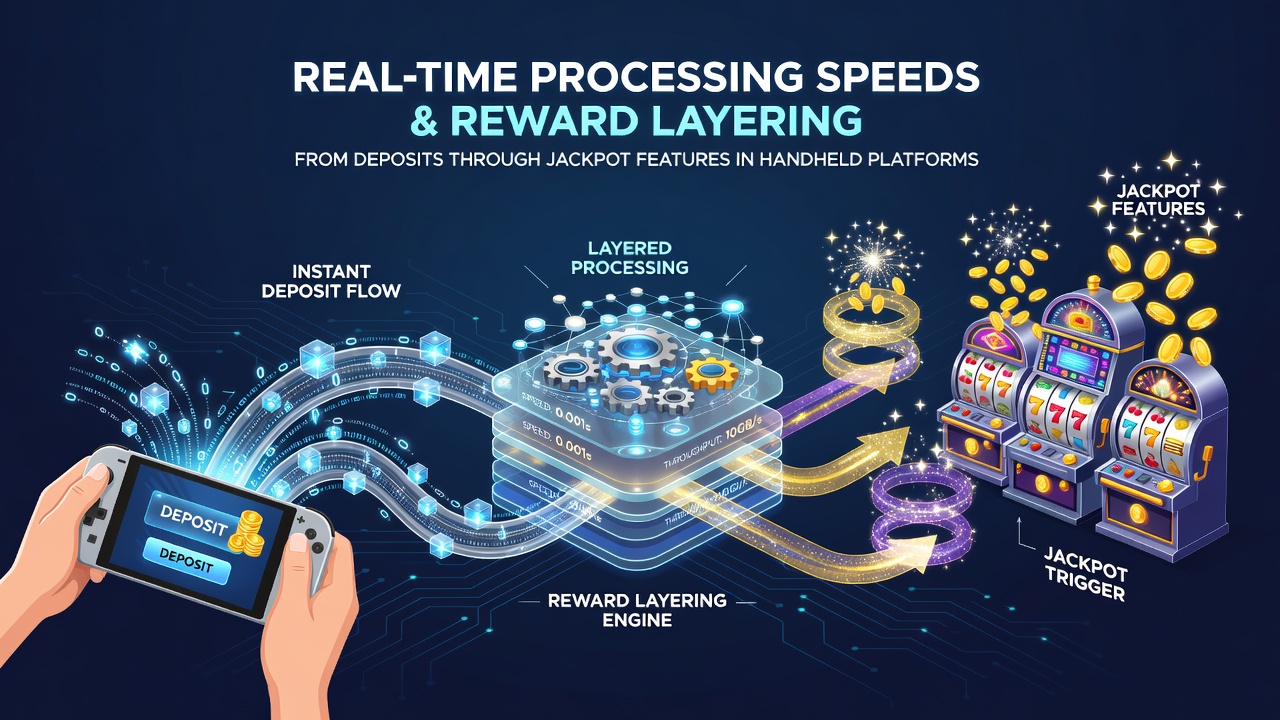
How Real-Time Processing Speeds Shape Reward Layering from Deposits Through Jackpot Features in Handheld Platforms
Real-time processing speeds determine how quickly deposits convert into active balances that unlock initial reward tiers, and those tiers often expand through sequential bonus multipliers before reaching jackpot eligibility in handheld platforms, while data from multiple markets shows transaction confirmation times averaging under two seconds in optimized applications during 2026.
Deposit Confirmation and Initial Reward Activation
Payment gateways integrated into mobile casino ecosystems route funds through secure channels that confirm instantly, and once the balance registers the system automatically applies deposit-matched bonuses according to predefined algorithms that scale with transaction size and user history, according to reports from the Australian Communications and Media Authority. Observers note that platforms using edge computing reduce latency by routing verification closer to the user device, which allows reward layering to begin within milliseconds rather than the older five-to-ten-second windows common in earlier generations of software. Those who've studied transaction logs across Canadian provincial operators find that faster confirmations correlate with higher completion rates for chained promotions, where an initial deposit bonus rolls into a free-spin allocation before the player even places the first wager.
Bonus Multiplier Progression and Layered Privileges
Once the base reward activates, processing speed governs how subsequent actions stack additional layers such as loyalty points or cashback percentages that accumulate in real time, and researchers at the National Council on Problem Gambling have documented cases where sub-second updates prevent players from missing time-sensitive escalation thresholds. Handheld platforms frequently employ progressive reward engines that monitor bet frequency alongside deposit velocity, so a user who tops up again while a prior bonus remains active receives an elevated multiplier that compounds rather than resets. This mechanism operates most efficiently when server response times stay below 300 milliseconds, a benchmark several European operators reported achieving after migrating to cloud-native architectures in early 2026.
Pathways from Bonuses to Jackpot Triggers
Jackpot features in mobile slots and table games draw from pooled contributions that update continuously as bets resolve, and the speed at which a player's balance reflects prior rewards directly influences whether they reach the minimum stake required for progressive participation before a jackpot cycle resets. Data indicates that platforms with sub-second reward crediting see measurably higher jackpot contribution volumes, because users remain in the betting flow instead of pausing to check updated balances. One study released by the Singapore Ministry of Home Affairs examined transaction sequences across regional apps and found that reward-to-jackpot conversion improved by 18 percent when processing pipelines eliminated batch updates in favor of continuous streams.
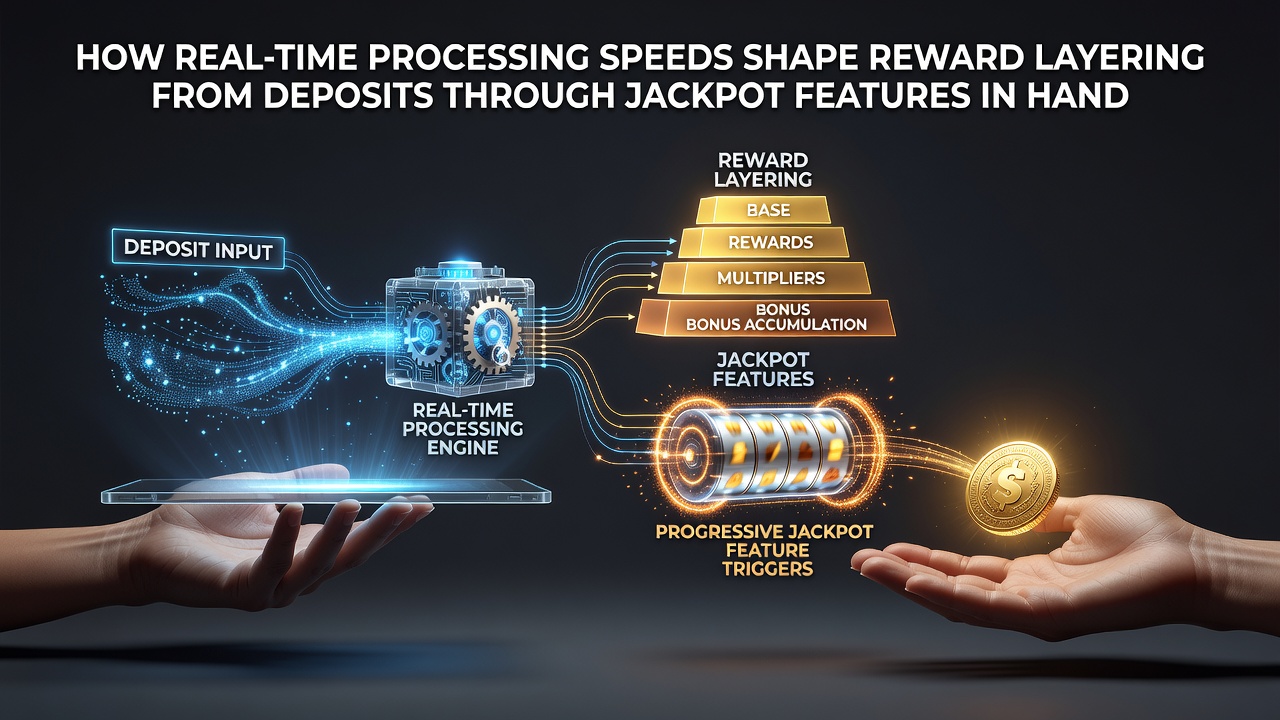
Yet the same infrastructure must also handle regulatory checks for responsible gaming limits, which run in parallel without introducing delays that break the layering sequence. Operators achieve this balance through modular verification services that approve or flag transactions in the background while the front-end reward engine continues uninterrupted.
Performance Benchmarks Across Regional Markets
Figures released by the Nevada Gaming Control Board for the period ending August 2026 reveal that handheld platforms operating at the fastest processing tiers recorded the highest average reward-layer depth per session, with some titles chaining four or more distinct bonuses before jackpot access opened. In contrast, slower systems experienced drop-off at the second or third layer because players exited while awaiting confirmation. Industry associations such as the European Gaming and Betting Association have compiled comparative latency data showing that regional differences in network infrastructure still affect outcomes even when application code remains identical across markets.
Those monitoring user behavior patterns report that notification systems synchronized with processing pipelines keep players informed of each new reward tier without forcing app switches, which sustains momentum through the entire sequence from deposit to jackpot spin. The reality is that any interruption in this chain, whether from payment delays or reward calculation lag, reduces the probability that a user will reach the jackpot feature with an intact bonus stack.
Conclusion
Real-time processing speeds function as the connective tissue that allows deposits to evolve into layered rewards and ultimately jackpot opportunities within handheld casino environments, and continued optimization of these pipelines shapes participation metrics across multiple jurisdictions. As infrastructure improves through 2026 and beyond, the measurable impact on reward chaining remains tied to millisecond-level performance rather than broader design choices alone.