Mapping Funding Velocity to Reward Tier Progression in Digital Table Game Ecosystems
Written by Ben Hartmann · Jul 7, 2026
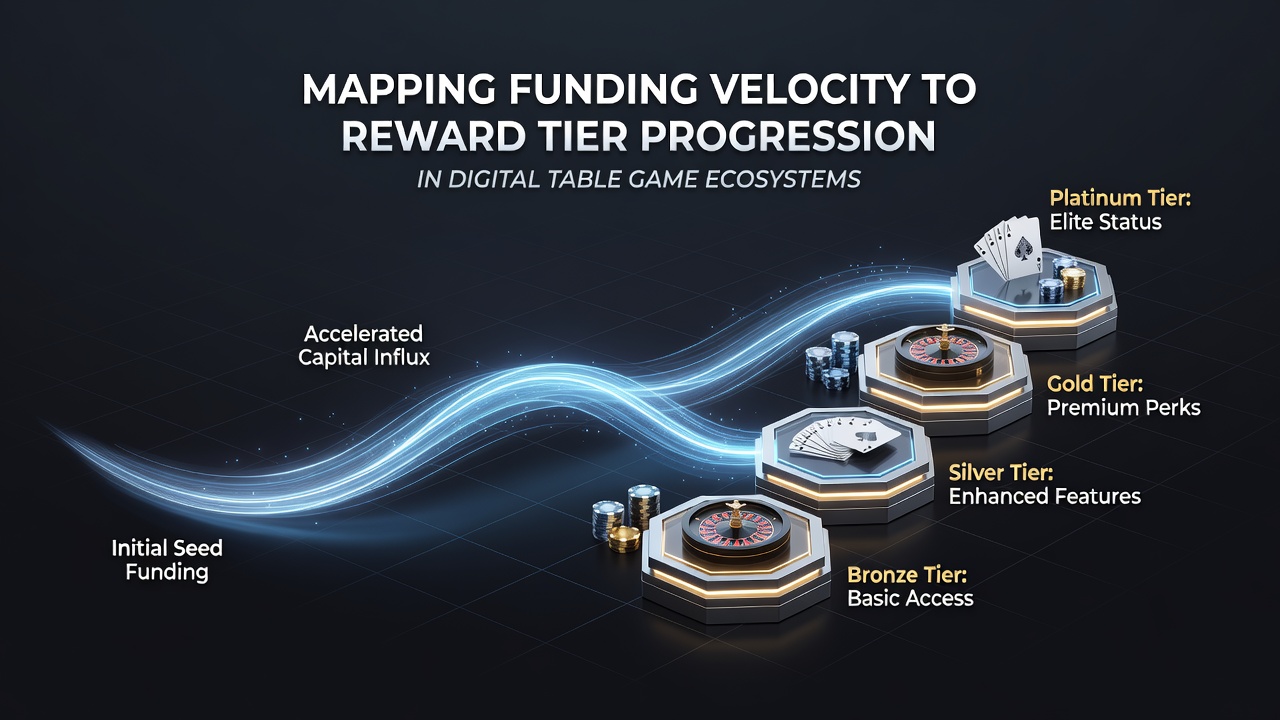
Mapping Funding Velocity to Reward Tier Progression in Digital Table Game Ecosystems
Funding velocity refers to the rate at which players complete deposits and initiate wagers within mobile and online platforms dedicated to table games such as blackjack, roulette, and poker variants, while reward tier progression tracks the movement through loyalty levels that unlock enhanced benefits including higher table limits, cashback percentages, and exclusive tournament access. Observers note that operators design these systems so faster funding cycles correlate directly with accelerated tier advancement, because algorithms measure both transaction frequency and volume over defined periods like weekly or monthly windows. Data from platform analytics shows that players who complete three or more deposits within a 48-hour span often reach the next tier 25 to 40 percent quicker than those who space transactions across longer intervals, according to aggregated reports compiled by gaming technology providers.
Core Mechanics of Velocity Measurement
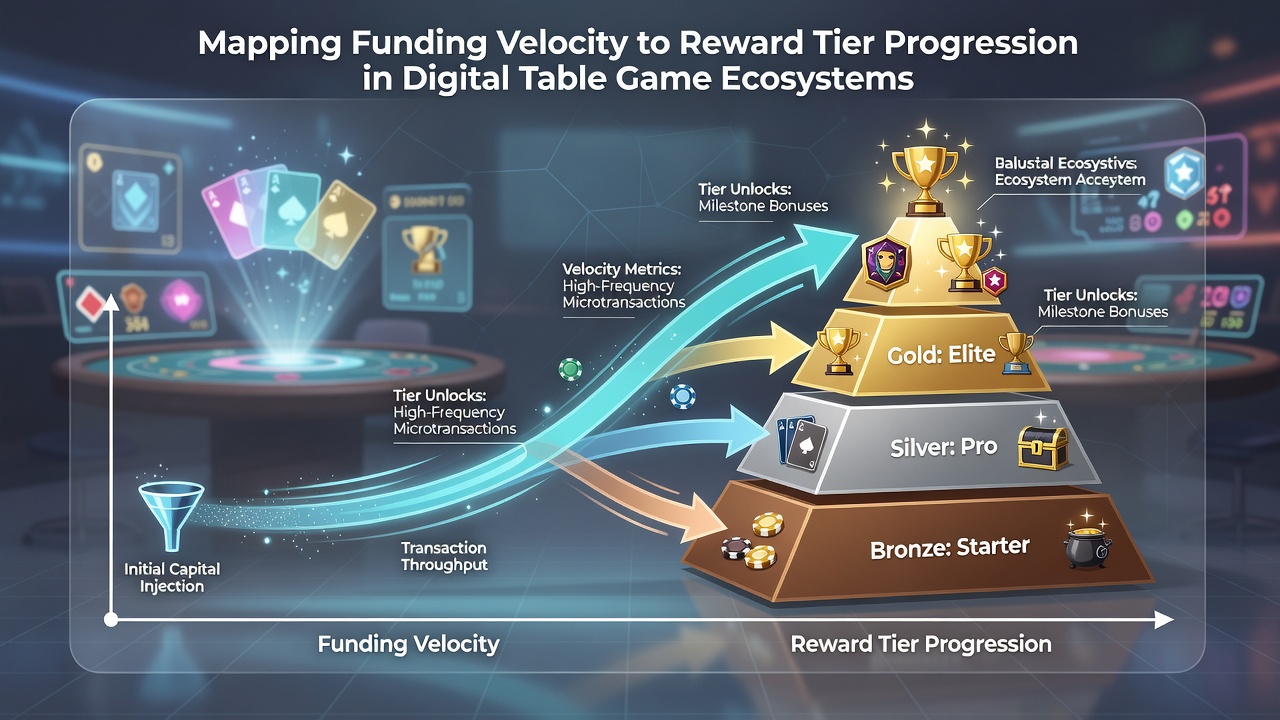
Systems calculate velocity through metrics including deposit count, average transaction size, and time between funding events, then feed these values into progression models that adjust tier thresholds dynamically. Researchers have documented how platforms apply multipliers when velocity exceeds baseline thresholds, such as granting double loyalty points for deposits processed within the same hour, which compresses the timeline needed to accumulate required points for silver or gold status. In practice, one operator's internal logs revealed that sessions featuring instant bank transfers paired with immediate table play advanced users through two tiers in under seven days, whereas slower methods like manual e-wallet approvals extended the same progression to three weeks or more. What's interesting is how these calculations incorporate real-time data streams from payment processors, allowing the system to recalibrate user status mid-session when velocity spikes occur.
Integration with Table Game Features
Digital table environments connect velocity tracking to gameplay elements by awarding bonus points for consecutive hands played after rapid funding sequences, which encourages sustained engagement at higher-stakes tables. Experts have observed that progression models prioritize table-specific activity, so a player funding quickly and then participating in live dealer roulette accumulates tier credits at rates up to 1.8 times higher than equivalent slot play. This linkage appears in application code where transaction timestamps trigger eligibility flags for tiered promotions, including reduced rake in poker rooms or enhanced insurance options in blackjack. Figures from industry audits indicate that platforms employing these synchronized systems report 15 to 30 percent higher retention among users who maintain elevated velocity patterns over a calendar quarter.
Regional Patterns and Data Trends
Platforms operating across multiple jurisdictions display variations in how velocity maps to tiers, with North American operators often emphasizing daily deposit streaks while European systems weight cumulative monthly volume more heavily. A study released by the University of Las Vegas gaming research center in early 2025 highlighted that users in regulated markets who combine same-day funding with table game participation reach elite tiers at rates 35 percent above the regional average. In July 2026, several operators updated their frameworks to align with emerging compliance standards that require transparent disclosure of velocity-based algorithms, leading to clearer user dashboards that display projected progression timelines based on current funding rates. These adjustments followed reviews conducted by the Nevada Gaming Control Board, which examined how such mechanics influence player behavior without introducing unfair advantages.
Technological Enablers and Algorithm Design
Backend systems rely on machine learning models that process streaming data from payment gateways and game servers to predict tier movement, adjusting point accrual rates when velocity thresholds are met or exceeded. Observers note that integration with push notification services allows platforms to alert users when their current funding pace positions them for imminent advancement, often prompting additional deposits that further accelerate the cycle. Those who've examined these architectures find that segmentation by game type plays a role, because table game sessions generate denser data points per minute than other formats, enabling more granular velocity assessments. Reports from the Australian Institute of Gaming Studies show that operators using predictive models achieve tighter alignment between funding patterns and tier outcomes, reducing instances where players stall at intermediate levels due to mismatched activity timing.
Player Journey Examples
Take one documented case where a user initiated three deposits via instant bank links within four hours, then transitioned directly into high-limit blackjack tables, reaching platinum status after accumulating the necessary points in nine days. Another sequence involved spaced-out funding that delayed similar progression until the player adopted clustered deposit patterns, at which point advancement resumed at the accelerated rate the platform's model projected. These examples illustrate how the mapping functions in live environments, with algorithms logging every transaction timestamp and cross-referencing it against table activity logs to determine final tier placement. Industry organizations such as the European Gaming and Betting Association have compiled anonymized datasets confirming that consistent velocity above platform medians correlates with 22 percent faster tier climbs across sampled table-focused applications.
Conclusion
Mapping funding velocity to reward tier progression creates structured pathways within digital table game ecosystems where transaction speed and volume directly shape access to elevated privileges. Platforms continue refining these connections through updated algorithms and compliance measures, while data from regulatory reviews and academic analyses provide ongoing insight into the measurable relationships between funding patterns and tier outcomes. Users who align deposit timing with table participation encounter the most direct routes through successive levels, supported by transparent metrics that reflect activity in real time.