Pathway Analyses Highlight Links Between Diverse Gameplay and Reward Tiers in Mobile Wagering Applications
Written by Vera Flores · Aug 2, 2026
Pathway Analyses Highlight Links Between Diverse Gameplay and Reward Tiers in Mobile Wagering Applications
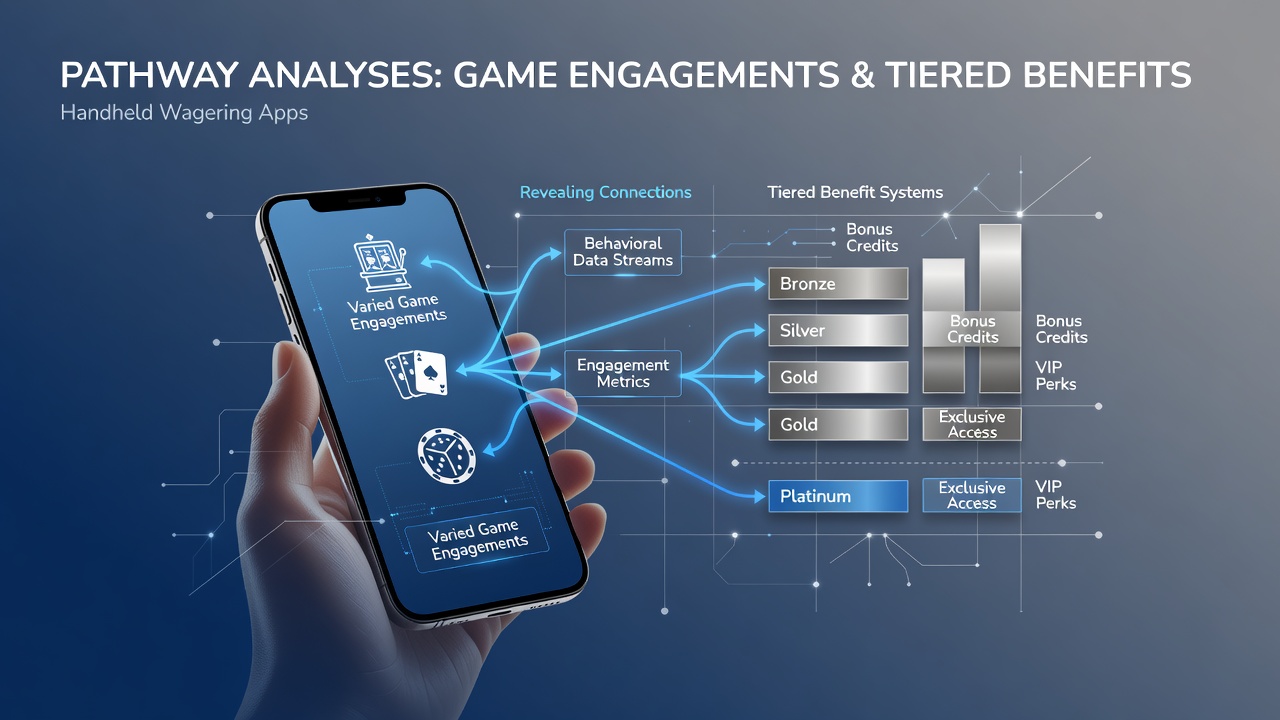
Pathway analyses have emerged as key methods for mapping how users move through different games in handheld wagering apps and how those movements connect to advancement in tiered benefit systems, with data from August 2026 showing increased focus on these patterns across multiple platforms. Researchers apply sequence modeling and user flow tracking to identify which combinations of slots, table games, and live dealer sessions most reliably lead players from entry-level rewards to higher-status privileges such as faster withdrawals, exclusive multipliers, and personalized promotions.
Core Elements of Pathway Mapping in Handheld Platforms
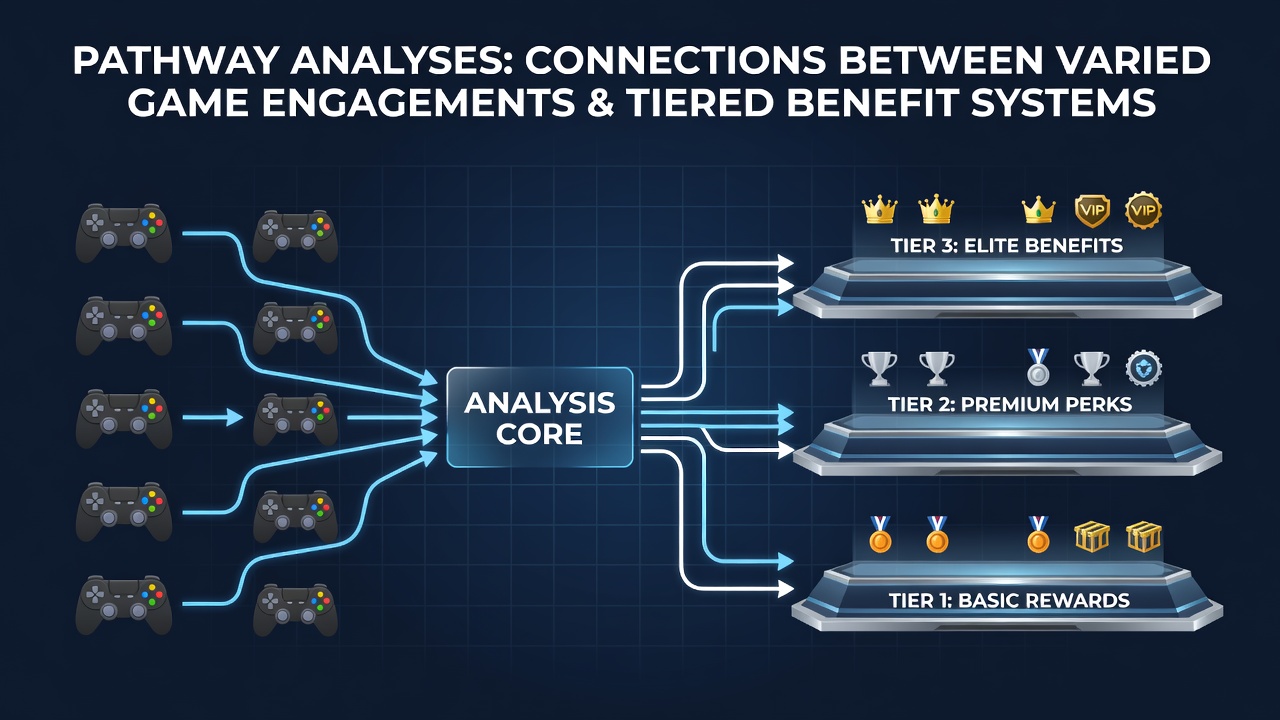
Analysts begin by collecting timestamped event data that records each game type accessed, session duration, wager amounts, and any immediate reward triggers, then they layer this information onto the structure of each app's loyalty program so that clear routes appear between specific engagements and tier elevations. Data indicates that players who alternate between video slots and live dealer blackjack often reach mid-tier status more quickly than those who focus on a single category, because the varied activity triggers multiple progress metrics simultaneously. Studies conducted by university gaming research groups have documented these sequences in apps serving markets in the United States, Canada, and Australia.
Observed Connections Between Game Variety and Benefit Escalation
One consistent finding across recent pathway studies shows that engagement with progressive jackpot slots frequently initiates deposit-related bonuses that feed directly into tier advancement points, while sessions at virtual poker tables contribute separate metrics tied to table-time rewards and leaderboard placement. When these two activity streams combine within the same week, the combined data points accelerate movement from basic loyalty levels to premium status, granting access to higher cashback percentages and dedicated account managers. Figures released by the Nevada Gaming Control Board in mid-2026 illustrate similar patterns in mobile channels licensed within the state, where operators report that mixed-game users comprise the majority of top-tier members.
Additional analyses reveal that live dealer roulette and baccarat sessions correlate strongly with time-based loyalty challenges that unlock instant tier jumps, especially when paired with in-app deposit streaks that satisfy both volume and frequency requirements. Those who've examined large datasets note that players following this route tend to maintain higher retention rates once they reach elite tiers, because the accumulated privileges reinforce continued participation across multiple game categories.
Regional Data Patterns and Platform Differences
Reports from Australian regulatory bodies highlight that apps operating under state licenses show stronger links between sports betting integrations and casino game pathways than those limited to slots alone, with cross-category play producing faster accumulation of status points. In contrast, Canadian provincial data emphasizes the role of tournament-style table game events in pushing users toward higher reward brackets within shorter timeframes. Observers note that these regional variations stem from differing regulatory requirements around bonus structures and responsible play features, which in turn shape how pathway algorithms are configured.
Platform-specific differences also appear when comparing operator-owned apps to white-label solutions, with the former typically offering more granular tracking that connects individual game rounds to precise tier thresholds. Industry organizations such as the American Gaming Association have compiled aggregated statistics showing that mixed-engagement users in 2026 generated the largest share of tier-related redemptions across handheld formats.
Technical Approaches Used in Current Analyses
Modern pathway studies rely on graph-based visualizations and machine learning models that treat each game session as a node and each reward trigger as a weighted edge, allowing researchers to calculate the shortest and most common routes to tier upgrades. These models incorporate variables such as device type, time of day, and payment method to refine predictions about which sequences will produce the strongest benefit outcomes. Academic papers published through institutions in the United States and Europe continue to refine these techniques, providing operators with evidence-based adjustments to their loyalty program rules.
Integration of real-time analytics dashboards now allows operators to adjust tier thresholds dynamically based on observed pathway data, ensuring that benefit systems remain aligned with actual user behavior patterns rather than static assumptions. This approach has become particularly relevant following regulatory updates that took effect in several jurisdictions during August 2026, which require clearer disclosure of how gameplay contributes to reward eligibility.
Conclusion
Pathway analyses continue to demonstrate measurable connections between the range of games users select in handheld wagering apps and the speed at which they progress through tiered benefit structures, with data from multiple regions supporting the value of diversified engagement. Operators and researchers alike rely on these findings to refine program design while meeting evolving compliance standards. As tracking technologies advance, the precision of these connections is expected to improve further, offering clearer maps of how varied gameplay translates into structured rewards.