Payment Routes That Advance Status in Mobile Casino Platforms
Written by Vera Flores · Aug 25, 2026
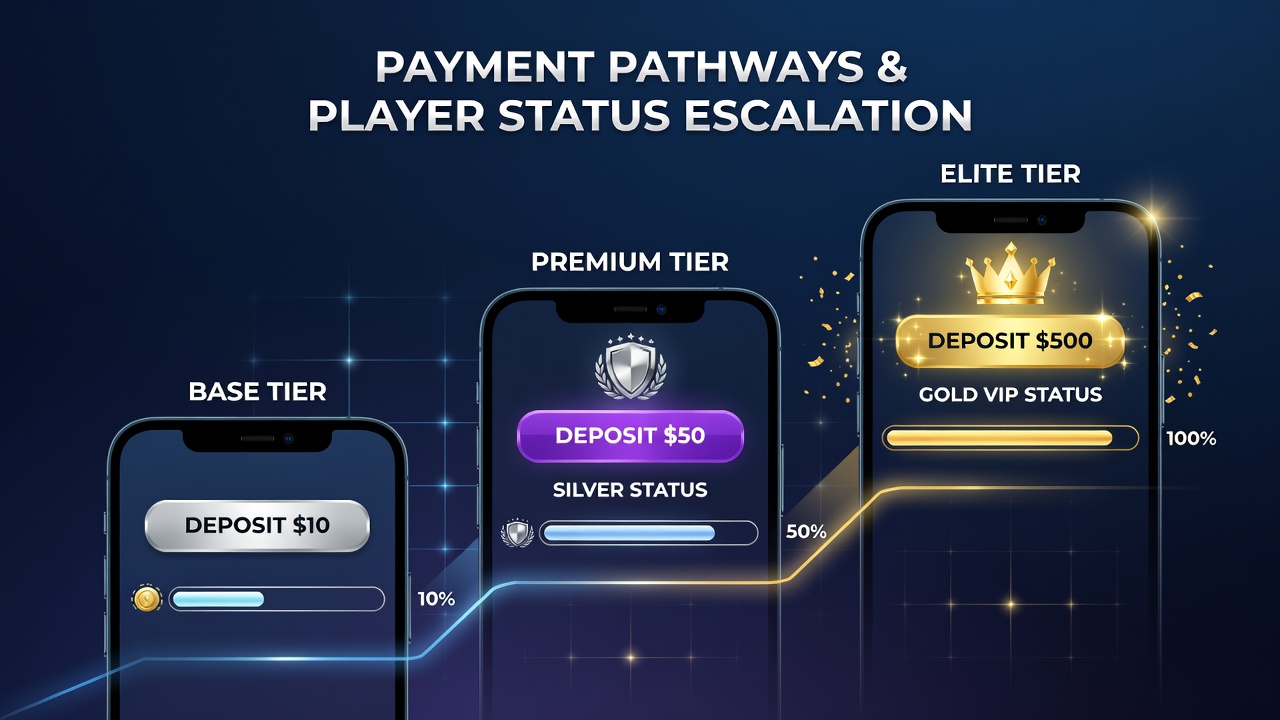
Payment Routes That Advance Status in Mobile Casino Platforms
Payment routes in mobile casino applications connect transaction methods directly to tiered reward structures that determine player advancement levels, and these systems operate through integrated software that tracks deposits, wager volumes, and loyalty metrics in real time. Operators design these sequences so that choices such as bank transfers, e-wallet services, or cryptocurrency options feed into algorithms that award status points at different rates depending on payment speed and verification level.
Core Mechanisms Linking Deposits to Tier Progression
Applications process initial deposits through secure gateways that immediately credit loyalty accounts once funds clear, and this step often triggers automatic assignment of entry-level benefits such as increased bet limits or exclusive game access. Subsequent payments accelerate point accumulation when users select faster methods like instant bank transfers, whereas slower options may delay status updates until settlement completes. Data from industry tracking services shows that verified accounts using multiple payment types reach intermediate tiers within shorter timeframes because the systems log each successful transaction as a separate engagement marker.
August 2026 brought expanded regulatory reporting requirements in several jurisdictions that required operators to document how payment pathways influence reward distribution, and these rules prompted clearer disclosure of point multipliers tied to specific funding sources. Mobile platforms responded by embedding visible progress bars that display remaining activity thresholds before the next tier unlock, allowing users to see exactly how each deposit contributes to elevation.
Regional Variations in Payment-Status Integration
European markets often link e-wallet transactions to accelerated VIP qualification because local regulations emphasize rapid fund movement and consumer protection standards that align with loyalty program transparency, while North American platforms place greater emphasis on credit card and ACH transfers that require additional verification steps before status points post. Australian operators incorporate cryptocurrency options more frequently into these pathways, and data compiled by the iGaming Ontario indicates that diversified payment histories correlate with higher average player retention across handheld formats. Observers note that these regional differences arise from licensing conditions that dictate minimum standards for transaction auditing and reward fairness.

Technical Flow From Transaction to Privilege Elevation
Once a deposit registers, the application routes the transaction record to a central server that calculates status points based on amount, frequency, and payment category, then updates the user profile within seconds for instant methods or within hours for batch-processed ones. Higher tiers unlock automatically when cumulative points cross predefined thresholds, and these unlocks grant access to dedicated support channels, customized bonus structures, and priority table seating in live dealer sections. Systems also monitor withdrawal patterns because consistent deposit-withdrawal cycles without chargebacks strengthen the account's standing and reduce the number of additional verification hurdles required for future status jumps.
Research conducted by the European Gaming and Betting Association found that applications employing real-time status dashboards experience higher engagement rates because players receive immediate visual confirmation of how each payment contributes to their position in the hierarchy. This feedback loop encourages repeated use of preferred funding routes that carry higher point multipliers, creating a self-reinforcing cycle documented across multiple operator datasets.
Security Protocols That Support Status Integrity
Operators maintain separate ledgers for financial transactions and loyalty points to prevent manipulation, yet both records must reconcile before any tier elevation takes effect. Multi-factor authentication on payment methods adds another layer that simultaneously protects funds and validates the legitimacy of status-earning activity. When discrepancies appear, automated flags pause point accrual until manual review clears the account, and this process protects the overall integrity of the escalation system while maintaining compliance with data protection standards in multiple regions.
Conclusion
Payment pathways continue to function as the primary engine behind player status advancement in mobile casino environments, with technical integrations, regional regulations, and security measures shaping how quickly and reliably users move through tier levels. Tracking systems translate each verified transaction into measurable progress, and operators adjust point structures in response to evolving compliance requirements and user behavior patterns observed through 2026.