Push Notifications as Bridges Between Instant Funding and Layered Status Gains in Smartphone Casino Environments
Written by Vera Flores · Aug 23, 2026
Push Notifications as Bridges Between Instant Funding and Layered Status Gains in Smartphone Casino Environments
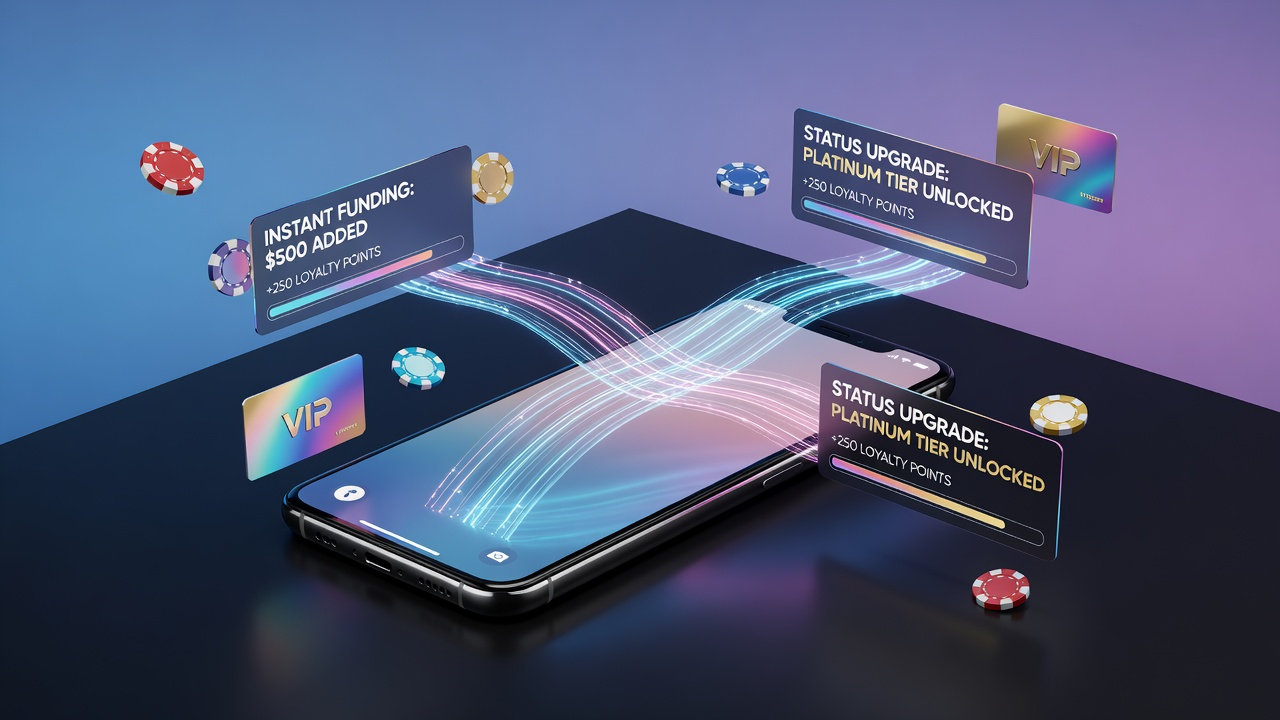
Push notifications function as direct connectors in smartphone casino applications by alerting users to completed transactions and subsequent progress toward higher membership tiers, and data from mobile gaming platforms shows that these alerts often arrive within seconds of a deposit confirmation while simultaneously highlighting available status-based rewards. Developers integrate these systems so that an instant funding event triggers a sequence of messages that outline bonus eligibility, point accumulation rates, and upcoming privilege thresholds without requiring the user to navigate multiple menus.
Mechanics of Notification-Driven Funding Flows
Smartphone casino interfaces rely on real-time payment processors that confirm transfers from digital wallets or bank accounts, after which the application generates a push notification that details the credited amount along with any immediate status points earned, and industry reports indicate that such sequences reduce the time between deposit and reward visibility to under ten seconds in many cases. Users receive follow-up alerts when accumulated points approach the next tier, allowing them to monitor progress toward benefits such as faster cashouts or exclusive table access while the session remains active.
Layered Status Systems Activated by Alerts
Layered status programs in these environments assign incremental privileges that unlock through repeated funding activity, and notifications serve as the primary communication channel by delivering personalized updates on current tier position, remaining requirements for advancement, and time-limited opportunities tied to the latest deposit. Observers note that platforms configure these alerts to reference specific metrics like total deposited volume or frequency of play, which in turn feeds into algorithms that adjust reward multipliers for higher-status users.
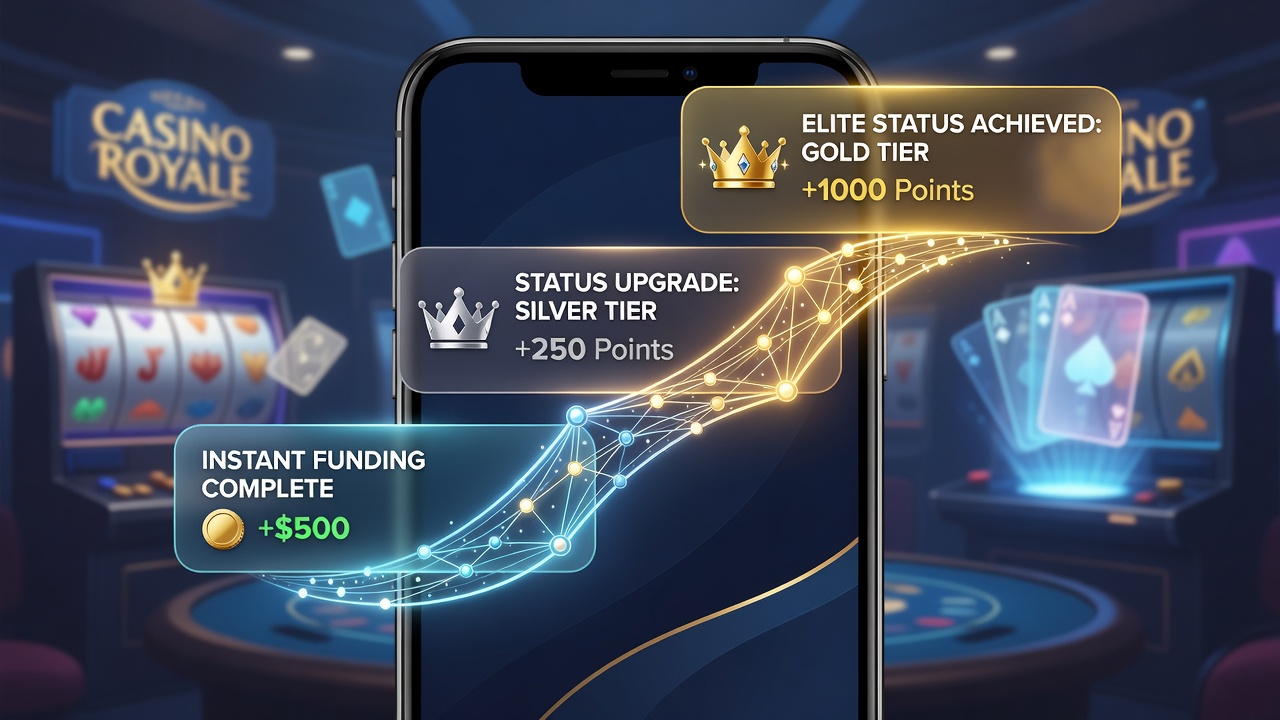
Research from mobile analytics firms reveals that notification open rates in casino applications exceed those in general entertainment apps by measurable margins, partly because the messages combine transaction verification with status progression details that encourage continued engagement. When a user completes a deposit, the system can chain alerts that first confirm the funds, then project the resulting point total, and finally suggest actions that maintain momentum toward the next level without interrupting the gaming flow.
Integration Patterns Across Platforms in Mid-2026
By August 2026, multiple smartphone casino operators had standardized notification protocols that link payment gateways directly to membership databases, enabling a single alert to display both the deposit receipt and the updated status trajectory. This approach appears in applications serving regulated markets where compliance rules require transparent record-keeping of all financial interactions and reward distributions. Regulatory bodies such as the Pennsylvania Gaming Control Board publish guidelines that address notification content to ensure users receive accurate information about funding outcomes and associated privileges.
Case examples documented by platform operators show sequences where an initial deposit notification includes a status bar indicating proximity to the next tier, followed by a secondary message if the deposit pushes the account across a threshold. These patterns rely on backend synchronization that pulls data from both the payment processor and the loyalty engine, and external analyses from organizations like the Canadian Gaming Association have examined how such integrations affect user retention metrics across different jurisdictions.
Technical Considerations for Notification Timing
Timing algorithms determine when alerts fire relative to transaction completion, and developers calibrate these systems to avoid overwhelming users while still capitalizing on the moment of funding success. Data indicates that notifications sent within the first thirty seconds after deposit confirmation correlate with higher rates of subsequent play sessions, particularly when the message references specific status gains such as increased withdrawal limits or priority support access. Platform engineers adjust delivery windows based on user behavior logs that track previous responses to similar alerts.
Security protocols embedded in these notification systems verify that each message originates from the authenticated application instance, reducing risks associated with spoofed updates about funding or status changes. Compliance frameworks in various regions require that all status-related information transmitted through push channels matches the records stored in the central account management system.
Conclusion
Push notifications continue to operate as functional bridges in smartphone casino environments by translating instant funding events into visible steps along layered status pathways, and the mechanisms that support this process combine payment processing speed with loyalty tracking precision. Industry documentation from 2026 highlights consistent implementation across multiple platforms, where alerts serve both informational and navigational purposes without introducing additional user friction. Continued refinement of these systems depends on ongoing alignment between technical capabilities, regulatory expectations, and observable user interaction patterns.