Rating Networks Illuminating Routes From Entry Payments to Multiplied Returns in Smartphone Based Entertainment Platforms
Written by Zoe Butler · Jul 19, 2026
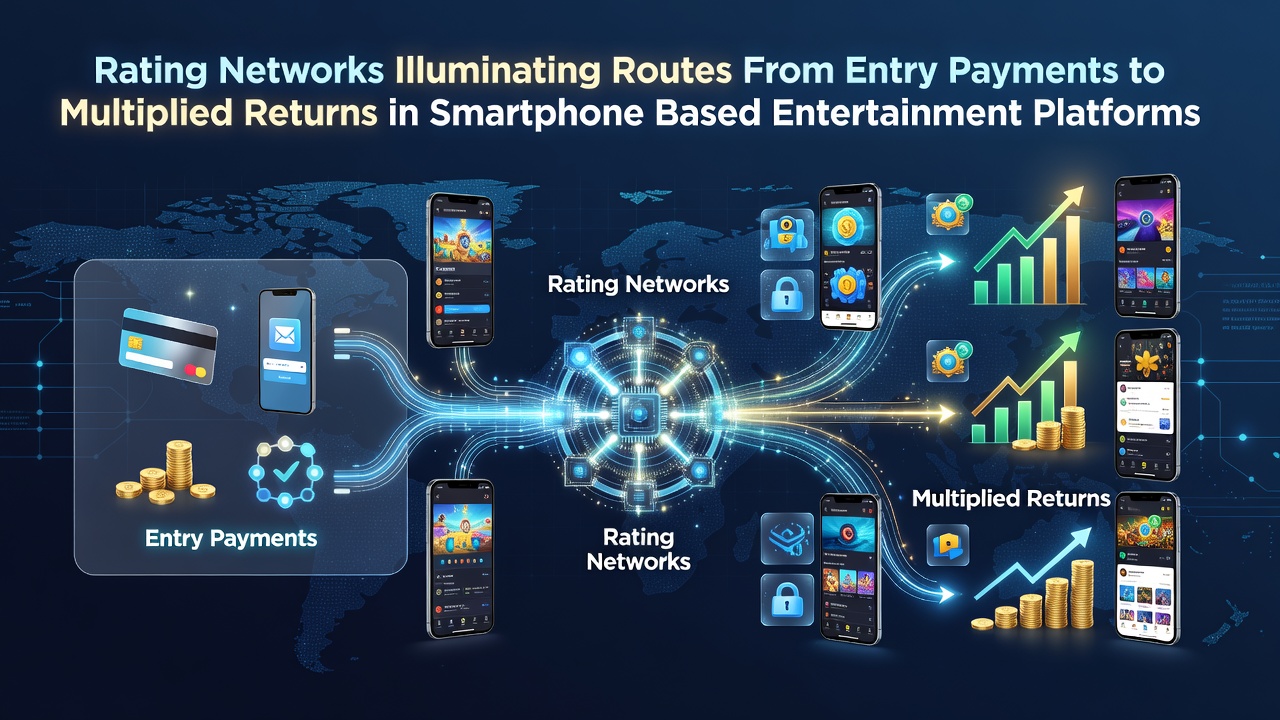
Rating Networks Illuminating Routes From Entry Payments to Multiplied Returns in Smartphone Based Entertainment Platforms
Rating networks operate as structured evaluation frameworks that map financial inputs through smartphone entertainment platforms to identify pathways toward enhanced returns, and these systems draw on transaction data plus user progression metrics to highlight efficient routes from initial deposits to multiplied outcomes. Observers note that such networks integrate payment processing details with reward algorithms across mobile interfaces, which allows operators and analysts to trace how entry-level transactions connect to layered privilege structures.
Core Components of Rating Networks in Mobile Platforms
These networks rely on data aggregation from multiple sources including payment gateways, in-app transaction logs, and progression tracking modules, while they assign weighted scores based on factors like deposit frequency, amount thresholds, and timing patterns relative to bonus activation windows. Researchers at institutions such as the University of Nevada, Las Vegas have documented similar analytical approaches in gaming studies, and the resulting ratings illuminate sequences where modest starting payments scale through successive multipliers when aligned with platform-specific mechanics.
Payment categorization forms a foundational layer, since networks distinguish between direct card transfers, digital wallet integrations, and bank-linked methods before assigning route viability scores, and this differentiation helps clarify how certain funding options accelerate access to compounded return structures compared with others. Data from the New Jersey Division of Gaming Enforcement shows steady growth in mobile transaction volumes through 2025 into 2026, which supports the expansion of these rating models.
Tracing Entry Payments to Initial Multipliers
Entry payments initiate the mapped routes when users complete verified deposits that trigger baseline reward credits, and rating networks evaluate these first steps by measuring conversion speed from confirmation to playable balance enhancements. Analysts track variables such as processing latency and verification success rates, since delays in one channel may reroute users toward alternative paths that preserve momentum toward higher multipliers.
Once initial credits activate, networks monitor engagement sequences that determine eligibility for secondary layers, while they flag optimal timing for subsequent actions that compound earlier gains. Figures from industry reports indicate that platforms employing these rating systems achieve clearer visibility into which deposit-to-reward sequences yield the strongest scaling effects across user cohorts in July 2026 data sets.
Advanced Route Mapping and Multiplied Return Structures
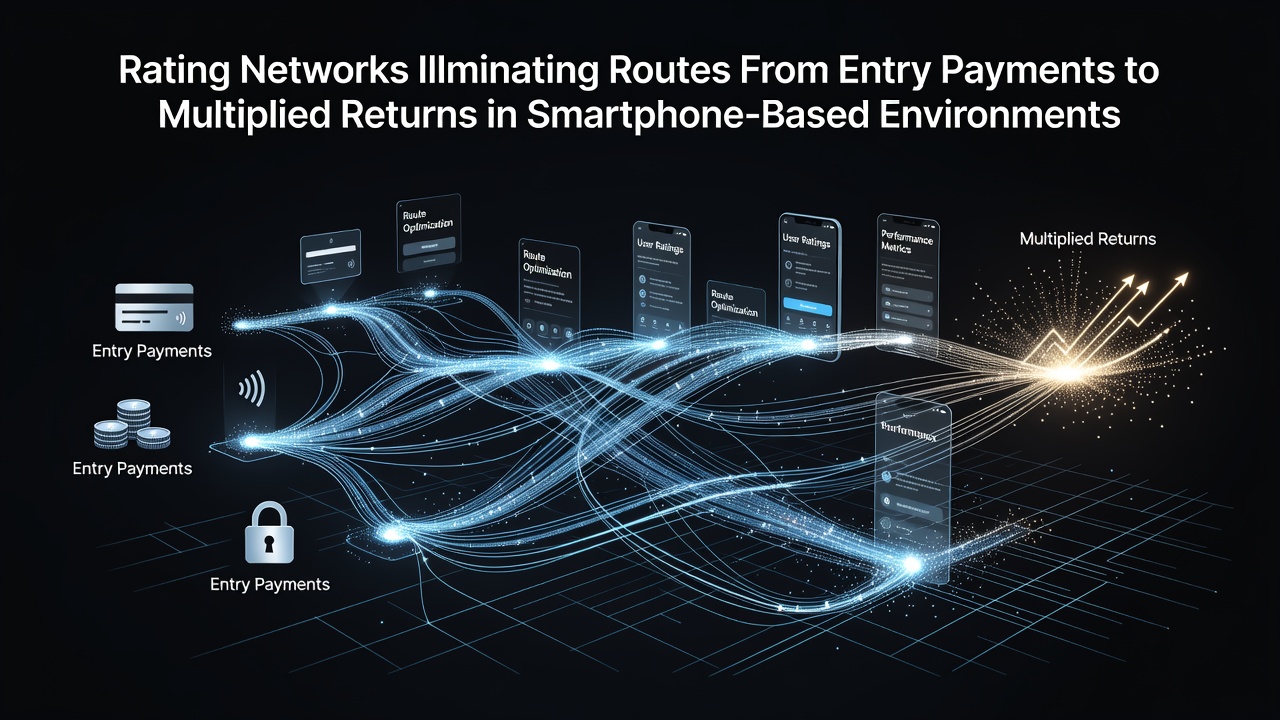
Rating networks extend their illumination to higher-order multipliers by correlating payment histories with tier advancement criteria, and they generate visual or algorithmic pathways that connect successive deposits to privilege escalations such as increased bonus percentages or exclusive table access. Those who study these systems observe that the networks prioritize routes where consistent transaction patterns intersect with event-driven promotions, thereby revealing how early choices influence later accumulation potential.
Geographic regulatory variations influence network design, since frameworks developed under Australian state gaming authorities emphasize responsible transaction limits alongside multiplier visibility, whereas models in other regions prioritize speed metrics. One study revealed that integrated rating tools reduce user friction by presenting pre-mapped sequences, which in turn supports sustained platform activity through transparent return forecasting.
Implementation Trends Across Smartphone Entertainment Ecosystems
Platform developers incorporate rating network outputs directly into user dashboards, where dynamic indicators display real-time route efficiency from current payment status toward projected multiplied returns, and this integration draws on aggregated anonymized data to refine accuracy without exposing individual profiles. Evidence from Canadian provincial gaming reports demonstrates parallel adoption patterns that link payment infrastructure upgrades to improved multiplier pathway clarity in mobile formats.
Seasonal updates in July 2026 have prompted several operators to recalibrate their rating parameters following shifts in payment processor availability, which has led to refined mappings that account for emerging digital currency options alongside traditional methods. Observers note that these adjustments maintain continuity in how entry payments progress toward compounded outcomes across diverse device ecosystems.
Conclusion
Rating networks continue to provide structured visibility into the connections between initial smartphone platform payments and subsequent multiplied returns, and their ongoing refinement reflects broader data availability plus regulatory evolution. Industry organizations and academic sources supply the foundational metrics that sustain these analytical frameworks, which ensures consistent illumination of viable financial routes within mobile entertainment environments.