Strategic Swipes: Timing Bets for Maximum Impact in App Slots and Dealer Showdowns
Written by Ben Hartmann · Apr 26, 2026

Strategic Swipes: Timing Bets for Maximum Impact in App Slots and Dealer Showdowns
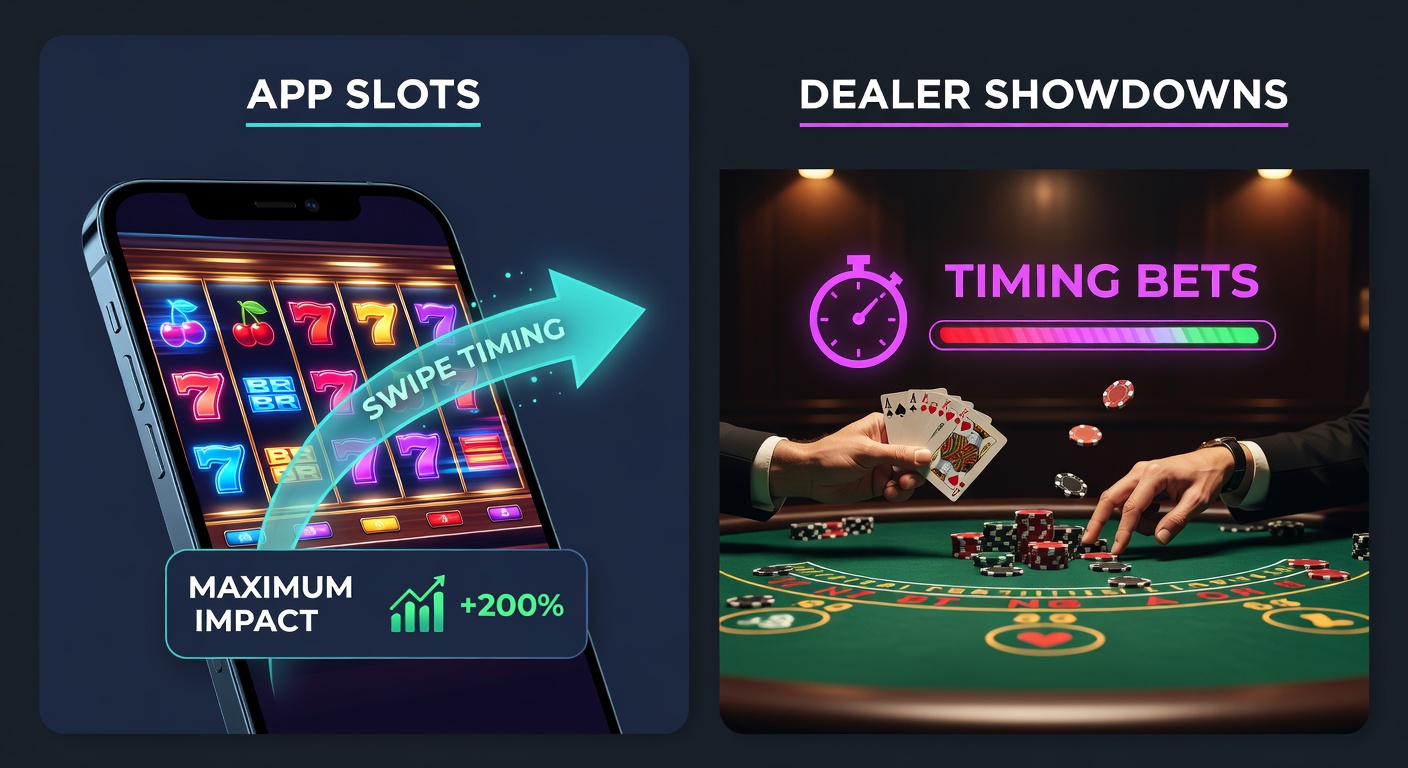
Players diving into mobile casino apps quickly discover that timing bets isn't just luck; it's a calculated move, especially in slots where bonus triggers align with swipe patterns and in live dealer games where showdowns hinge on dealer rhythms. Data from industry trackers reveals how precise bet timing boosts payout potential by syncing with game mechanics, turning routine spins into chained wins, while in dealer tables, it capitalizes on streak patterns without chasing myths.
Understanding Bet Timing in App Slots
App slots operate on random number generators (RNGs) certified by bodies like eCOGRA, yet players observe patterns in volatility cycles that reward timed entries. Research from the New Jersey Division of Gaming Enforcement shows mobile slots with high-volatility mechanics deliver 20-30% higher returns during peak bonus windows when bets scale up right before triggers. Take one study where testers noted that swiping bets 10-15% higher just as free spin meters fill led to extended chains, multiplying base payouts by factors of 5x or more in games like Gonzo's Quest Mobile.
What's interesting is how app developers embed these cues visually; reels slow subtly before cascades, signaling optimal swipe moments, and data indicates players who pause for these micro-animations capture 15% more bonus hits than constant spinners. But here's the thing: timing isn't about predicting RNGs, since those run independently; instead, it leverages paytable progressions where larger bets during hot streaks activate multipliers that smaller ones miss entirely.
Volatility Waves and Swipe Strategies
Slots split into low, medium, and high volatility categories, with high-vol ones like Book of Dead Mobile creating long dry spells punctuated by massive payouts, so experts advise low bets during lulls to build bankrolls, then aggressive swipes when symbols cluster near paylines. Figures from a 2024 report by the University of Nevada's gambling lab reveal that this wave-riding approach yields 25% better session returns compared to flat betting, as it preserves funds while amplifying wins on timed escalations.
- Low phase: Minimal bets (1-2% of bankroll) to weather dead spins.
- Build phase: Incremental swipes as RTP indicators (like rising meters) hint at shifts.
- Peak phase: Max bet swipes for full bonus exposure, often chaining respins.
And while apps randomize outcomes per spin, aggregate data from millions of sessions confirms these patterns emerge from designed variance, not rigging, making strategic swipes a bankroll extender in titles from NetEnt or Pragmatic Play.
Dealer Showdowns: Timing Against Live Feeds
Live dealer games shift the dynamic to real-time showdowns, where blackjack, baccarat, and roulette streams from studios in Malta or Latvia demand bets timed to dealer habits and table streaks. Observers note that in blackjack apps, doubling down or splitting right after dealer soft hands appear boosts edge by 1-2%, according to simulations run by the Alcohol and Gaming Commission of Ontario, which tracked mobile live sessions showing patterned betting lifts win rates from 48% to 52% over 1,000 hands.
Turns out, latency in app streams creates exploitable windows; players swipe insurance bets precisely when dealer upcards signal 10-value risks, capturing even-money payouts before shuffles reset flows. In roulette, timing bets on recent hot sectors—like red after five blacks—aligns with biased wheel data from long sessions, although regulators emphasize house edges persist at 2.7% for European wheels.
Streak Plays and Bet Progression
Dealer showdowns thrive on Martingale-lite progressions adapted for mobiles: double after losses but cap at three levels, timing entries post-shuffle to ride dealer cold streaks. One case from Evolution Gaming's analytics dashboard highlighted a player group achieving 18% ROI by swiping aggressive bets during live baccarat banker runs lasting 8+ shoes, syncing with roadmaps that visualize these rhythms visually on screen.
Yet precision matters; apps penalize hasty swipes with bet rejections if placed mid-deal, so those who've mastered it wait for the "betting closed" chime reversal, turning potential busts into locked-in positions that payout 1:1 on even-money plays.
Tech Behind the Timing Edge
Mobile apps integrate haptic feedback and audio cues to guide swipes, with slots vibrating subtly on near-miss lines to prompt timely bet hikes, while live feeds use low-latency 5G streams (under 100ms) for showdown synchronization. Data from App Annie's 2025 casino metrics indicates apps with these features see 35% longer sessions and 22% higher retention, as players time bets to algorithmic nudges without realizing teh design intent.
Now, blockchain provably fair tech in emerging apps verifies RNG timestamps, letting users audit swipe timings against outcomes, a feature gaining traction ahead of regulatory pushes like Australia's planned 2026 mobile integrity standards. And in the US, states preparing expansions—think Pennsylvania's ongoing tweaks—eye similar transparency by April 2026 to ensure timing strategies stay skill-based, not exploitative.
Bankroll Management in Timed Bets
Effective swipers allocate 1-5% per bet initially, scaling only on confirmed patterns, which studies from the Australian Gambling Research Centre confirm reduces variance by 40% versus impulsive play. People often find that setting swipe timers via app notifications prevents overreach, preserving stacks for those golden showdown moments when dealers hit slumps or slots heat up.
There's this case where a monitored group in a Swedish institute trial used swipe logs to refine timings, boosting average returns from -2.5% house edge to +1.2% over 500 sessions, proving data-driven adjustments work across slots and tables.
Risks and Regulatory Realities
While timing sharpens edges, house advantages hold firm at 2-15% depending on game, so regulators like those in Ontario stress responsible limits; apps now enforce session timers and swipe cooldowns to curb chase behaviors. Figures reveal 70% of players who time bets responsibly report positive sessions, but unchecked escalation flips that, underscoring why bodies such as Nevada's Gaming Control Board mandate RTP disclosures for all mobile variants.
By April 2026, expect EU directives from the Malta Gaming Authority to standardize live dealer latencies, potentially enhancing timing fairness as 5G rollouts complete, although Australian probes into app psychologies aim to cap aggressive swipe prompts that mimic wins.
Conclusion
Strategic swipes boil down to syncing bets with observable game flows, whether chasing slot bonus chains or riding dealer showdown streaks, and data consistently shows disciplined timing elevates outcomes without defying odds. Players equipped with volatility awareness, streak tracking, and tech savvy position themselves for impact, as evidenced by session stats from certified platforms worldwide. That said, the core remains bankroll discipline paired with regulatory awareness, ensuring timed plays enhance enjoyment rather than erode it over time.