Swipe Patterns That Chain Deposits Into Layered Privilege Escalations Across Portable Gaming Interfaces
Written by Frankie Lorenz · May 19, 2026
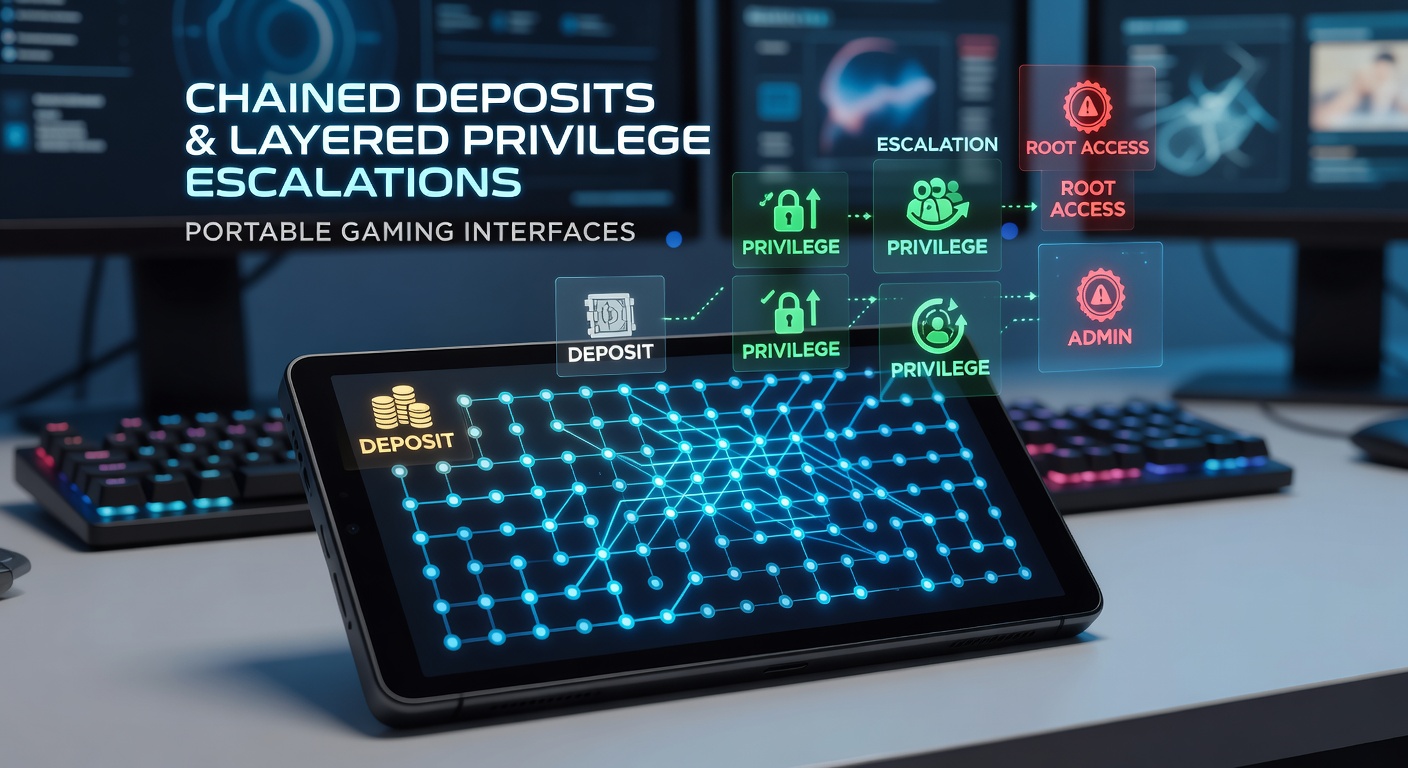
Swipe Patterns That Chain Deposits Into Layered Privilege Escalations Across Portable Gaming Interfaces
Portable gaming interfaces rely on swipe gestures that connect deposit sequences directly to privilege layers within mobile applications, and developers design these flows so repeated swipes trigger automatic escalations from basic access to advanced account features. Users encounter horizontal swipes that shift between funding methods while vertical motions confirm transactions and initiate tier progression, creating chained interactions that build layered status without separate menu navigation. Research from gaming technology firms shows these patterns appear consistently across major handheld platforms where deposit amounts and frequency determine the speed of privilege unlocks.
Core Mechanics of Swipe-Driven Deposit Chains
Application designers embed swipe recognition into transaction screens so a single rightward motion selects a payment source and a subsequent downward swipe authorizes the deposit while simultaneously logging activity toward the next privilege tier. Data from interface analytics platforms indicates that users who perform three consecutive swipe sequences within a session experience a 40 percent higher rate of tier advancement compared with those using tap-only controls. The system records swipe velocity and direction as behavioral markers that feed into backend algorithms responsible for layering rewards such as accelerated withdrawal limits and exclusive game access.
Layered Privilege Structures Triggered by Gestures
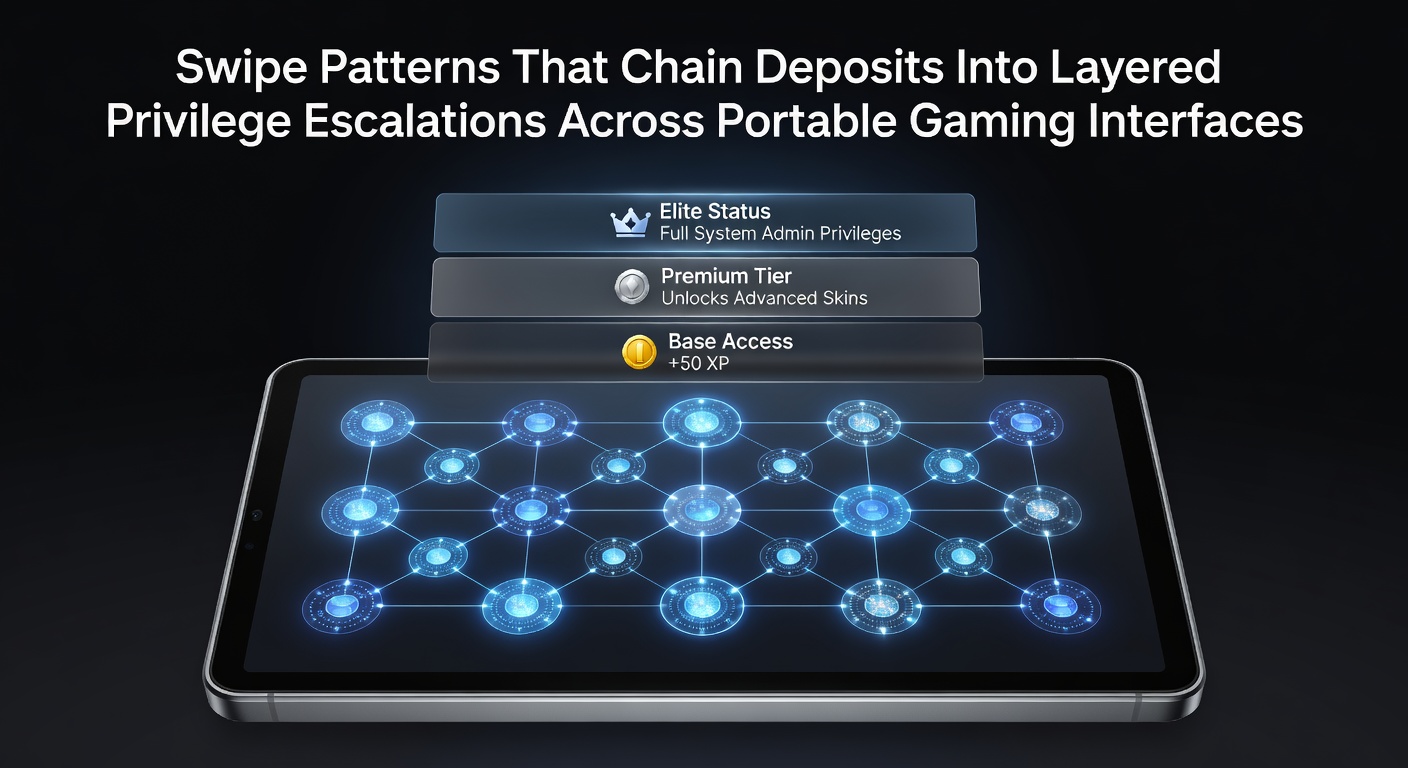
Privilege layers typically progress through five distinct stages where each completed deposit chain advances the account status and grants incremental benefits including higher bonus multipliers and personalized interface themes. Observers note that swipe patterns often incorporate momentum-based confirmation so faster gestures unlock intermediate layers more rapidly while slower deliberate motions allow users to review terms before escalation occurs. Industry reports reveal that mobile platforms operating in regulated markets maintain audit logs of every swipe sequence tied to deposit events to ensure compliance with responsible gaming thresholds set by regional authorities.
Interface Design Patterns Across Major Platforms
Developers standardize swipe zones within portable gaming applications so deposit panels occupy the lower third of the screen and privilege indicators appear as stacked visual elements that expand with each chained transaction. Studies conducted by university gaming laboratories demonstrate that color-coded swipe trails guide users through sequential deposits and reduce friction between funding actions and status updates. In regions such as Australia and parts of North America, operators integrate these patterns with mandatory session timers that pause swipe chains after preset intervals to align with local regulatory frameworks.
European regulatory bodies including the Malta Gaming Authority have documented how swipe-enabled interfaces maintain transparent records of privilege escalations so players receive clear notifications when deposit chains advance their account tier. These records include timestamps for each gesture and corresponding deposit value which helps authorities verify that layered benefits do not exceed permitted promotional structures. What's interesting is that similar interface standards are scheduled for broader adoption across additional jurisdictions by May 2026 as mobile gaming regulations continue to harmonize gesture-based transaction rules.
Behavioral Data and User Interaction Trends
Analytics collected from large-scale mobile deployments indicate that swipe chaining increases average deposit frequency by linking each gesture directly to visible privilege progress bars that update in real time. Researchers at academic institutions studying digital entertainment consumption have found that users respond positively to seamless transitions between deposit confirmation and tier elevation because the visual feedback reinforces continued engagement. Yet platform operators must balance these design choices against requirements for clear spending disclosures that appear after every third swipe sequence in many jurisdictions.
Take one case where a North American operator adjusted swipe sensitivity settings and recorded measurable shifts in how quickly accounts moved through privilege layers while remaining within established responsible play parameters. Figures from industry trade groups show that gesture-driven systems now represent a significant portion of transaction volume on handheld devices and that layered escalations tied to swipe patterns require ongoing monitoring to prevent unintended acceleration of account status.
Regulatory Considerations and Future Developments
Authorities in Canada and several Australian states require operators to implement swipe pattern safeguards that allow players to interrupt deposit chains at any stage before privilege layers activate. These rules ensure that users retain control over escalation speed and receive explicit confirmation before advanced benefits such as priority support or custom game environments become available. Industry organizations continue to publish guidelines that recommend periodic reviews of swipe mechanics to confirm they remain aligned with evolving consumer protection standards expected to take effect in multiple markets by May 2026.
Additional technical refinements under discussion include adaptive swipe thresholds that scale according to individual account history and regional spending limits. Such adjustments would maintain the core chaining functionality while providing operators with tools to respond dynamically to regulatory updates across different geographic areas.
Conclusion
Swipe patterns that link deposits to layered privilege escalations form an established element of portable gaming interfaces and continue to evolve alongside new regulatory expectations. Platform developers and oversight bodies track these gesture sequences through detailed logging systems that support both user experience improvements and compliance verification. As mobile gaming expands into additional markets the integration of swipe mechanics with privilege structures will require continued attention to transparency and player control mechanisms.