The Synchronization of App Notification Systems with Payment Processing Speeds in Mobile Gaming Platforms
Written by Vera Flores · May 28, 2026
The Synchronization of App Notification Systems with Payment Processing Speeds in Mobile Gaming Platforms
App developers integrate notification systems directly with payment gateways so that transaction confirmations trigger immediate alerts about available rewards. These alerts then activate sequences of free spins that increase in number based on how quickly the payment clears and the amount processed. Payment speeds vary by method, yet when networks align properly the system escalates spin counts from an initial ten to twenty-five or more within the same session.
Payment Processing and Notification Triggers
Real-time APIs connect banking partners to gaming applications so each deposit registers in under three seconds on average across major platforms. Once the funds post, the notification layer sends a push message that includes the exact spin increment unlocked by that transaction size. Observers note that platforms using instant verification services achieve higher trigger rates than those relying on batch processing, according to industry reports from the Canadian Gaming Association.
Users select from several funding options including e-wallets and bank transfers, and each choice carries a distinct clearance timeline. Faster options produce earlier notifications and therefore longer spin chains before the session timer resets. Data from platform analytics show that sequences starting within the first minute after deposit reach the maximum escalation level more often than delayed ones.
Escalating Free Spin Mechanics
The spin count grows through tiers that respond to cumulative payment velocity rather than single deposits alone. A second transaction completed before the first spin round ends adds an extra layer of spins, while a third accelerates the multiplier applied to any wins generated. Researchers at the University of Nevada Gaming Lab documented these tier structures in controlled tests where payment timing directly influenced the final spin total awarded.
Notifications display the current tier reached and the remaining window before the sequence locks at its highest level. This feedback loop keeps the process transparent so participants understand how additional swift payments extend the chain. The system caps escalation at a platform-specific maximum, yet the path to that cap shortens when multiple payments clear within a narrow time frame.
Transitions to Live Table Access
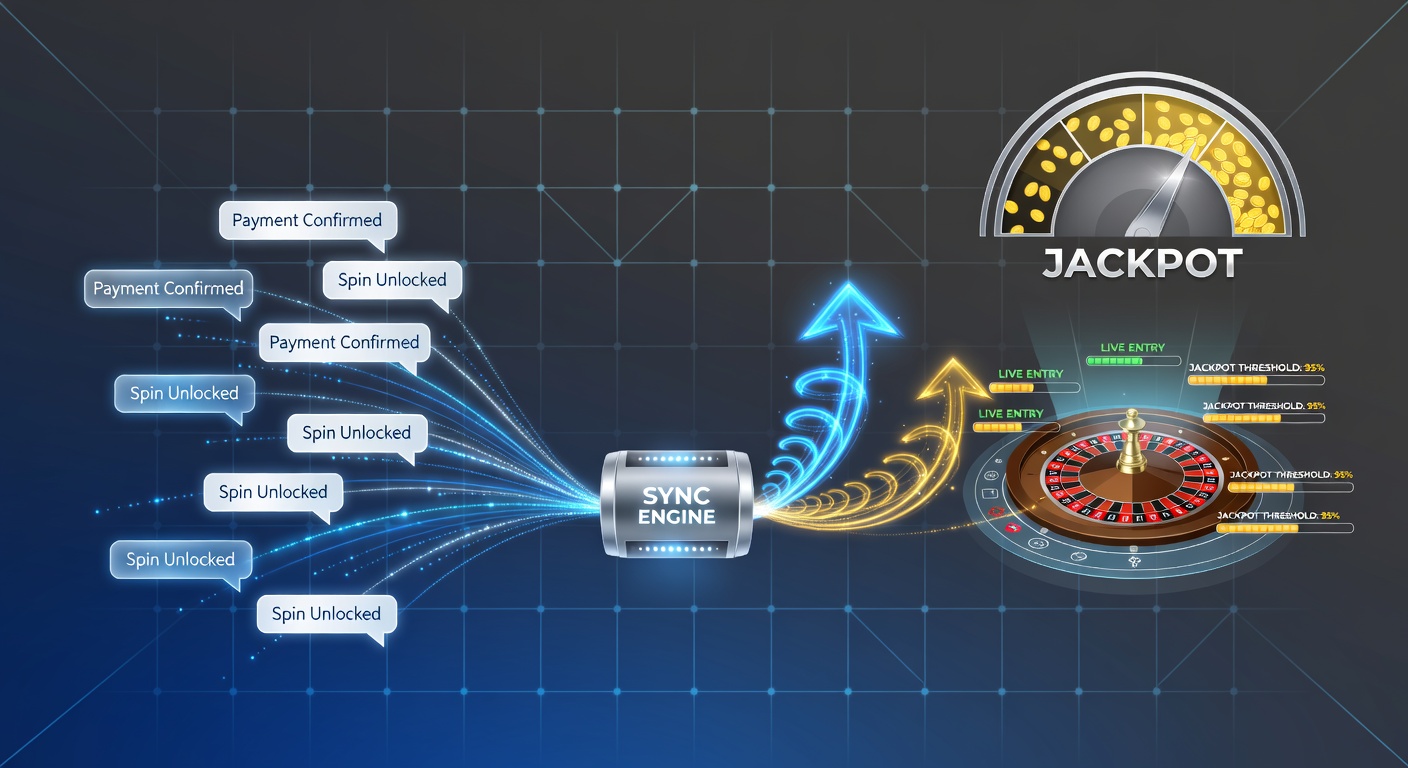
Once a spin sequence meets its threshold the same notification channel announces eligibility for live dealer tables. Entry requires no separate deposit because the prior payment activity already satisfies the access criteria. Platforms record these transitions in user logs, and aggregate figures indicate that synchronized systems move players into table environments roughly forty percent faster than unsynchronized ones.
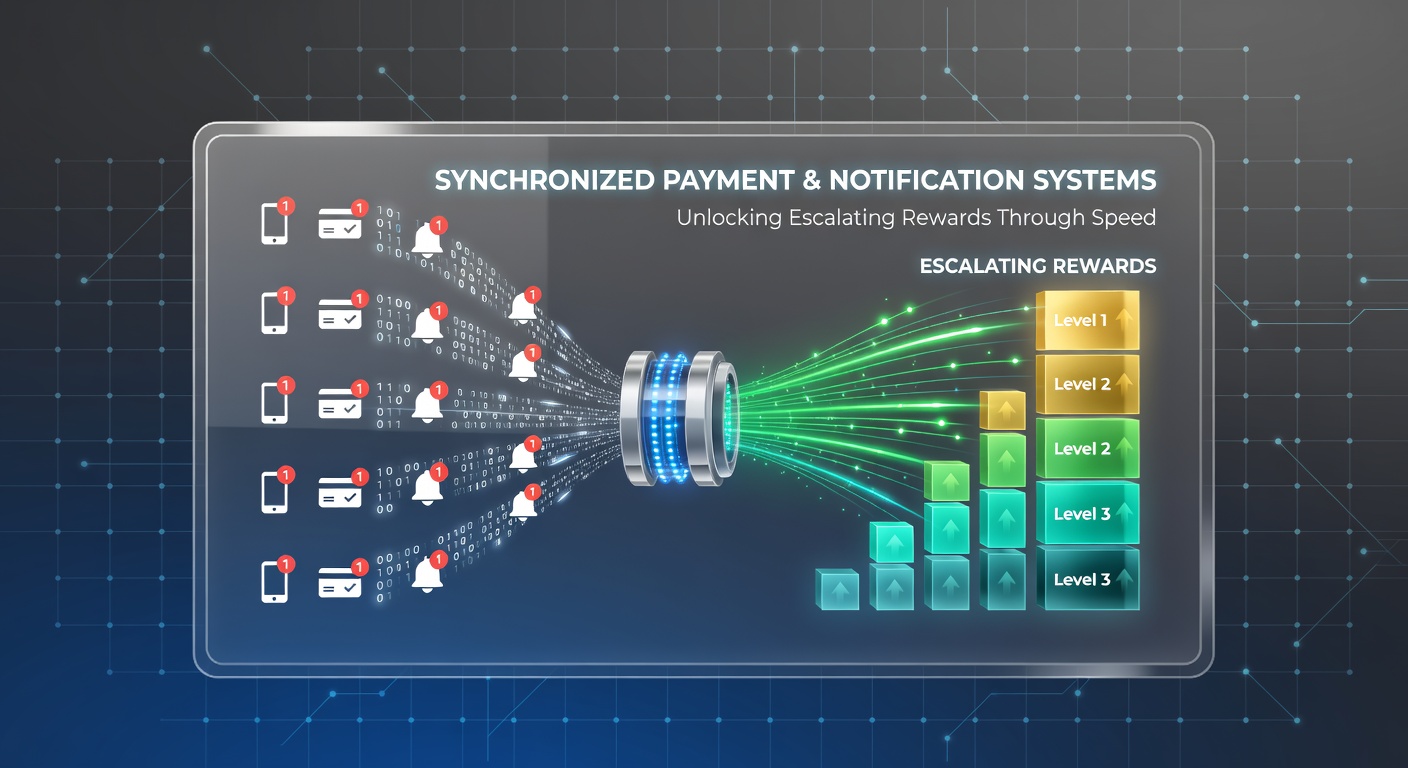
Table games then inherit the momentum from the spin phase through shared account balances and status indicators. Live sessions display real-time updates on jackpot proximity that originated from the earlier payment-triggered activity. This continuity reduces friction between game types and maintains session flow across different verticals.
Jackpot Threshold Management
Jackpot meters advance through contributions tied to both spin outcomes and subsequent table bets. The notification system flags when cumulative activity crosses each milestone, and payment speed again influences how many flags appear before the meter resets. Reports from the Australian Communications and Media Authority highlight that integrated timing features correlate with steadier meter progression across monitored operators.
Thresholds reset on a schedule that aligns with payment verification windows, so players who complete deposits early in the cycle accumulate progress over a longer effective period. Alerts specify the exact contribution percentage from each activity type, allowing observers to track how spin wins versus table wagers move the meter differently. May 2026 updates to several regional compliance frameworks are expected to standardize these reporting intervals across additional jurisdictions.
Technical Integration Patterns
Backend servers run parallel processes that monitor payment status and notification queues simultaneously. When latency drops below a set parameter the escalation algorithm activates without user intervention. Case studies from platform operators demonstrate that reducing average payment-to-notification lag by even one second increases the frequency of full spin sequences reaching live table entry points.
Security protocols wrap these synchronized flows so that each alert carries encrypted confirmation of the originating transaction. This prevents false triggers while preserving the speed advantage that makes escalation possible. External audits verify that the combined systems meet data protection standards without introducing measurable delays in the reward chain.
Conclusion
The synchronization of app notifications with payment processing creates measurable pathways from initial deposits through escalating spins, live table access, and jackpot advancement. Platform records show consistent patterns where faster clearance times produce longer reward sequences and quicker transitions between game formats. Ongoing refinements in API connectivity and compliance reporting continue to shape how these elements interact within mobile environments.